


TL;DR: Choose nesting tables for a Dubai home by checking their footprint together, their usefulness apart and the space needed to move between both arrangements.
Key takeaways
- Measure a nesting set in its stored and fully separated positions before choosing a size.
- Check each table's height against the seat where it will actually be used.
- Ask for the specified surface material, permitted loads and care instructions for the exact model.
- Give every movable table a practical parking place that does not obstruct a doorway or walking route.
Are nesting tables better than one coffee table?
Nesting tables are worth considering when you need several occasional surfaces rather than one permanently large central surface. The decision is about how your room works, not simply how many tables arrive in the set.
For a Dubai apartment where the same living area serves quiet evenings and visiting friends, our recommendation is to sketch both situations. Mark the everyday positions first, then place a drinks surface within reach of each seat used when guests visit. If the smaller tables have no useful destination, a conventional coffee table may be the more considered purchase.
A generous villa lounge presents a different brief. A compact nest may work beside a seating group without providing the central surface the whole arrangement needs. Treat it as part of the room plan rather than expecting a small set to furnish a large conversation area by itself.
Which measurements matter before ordering?
Record the complete outline of the set when nested, partly separated and fully separated. A single diameter or width does not describe all three arrangements.
Ask the supplier for a plan view showing the tops and bases. The top may clear an adjacent table while the legs prevent it sliding fully underneath. For curved pieces, request the overall dimensions rather than measuring a convenient straight section in a photograph.
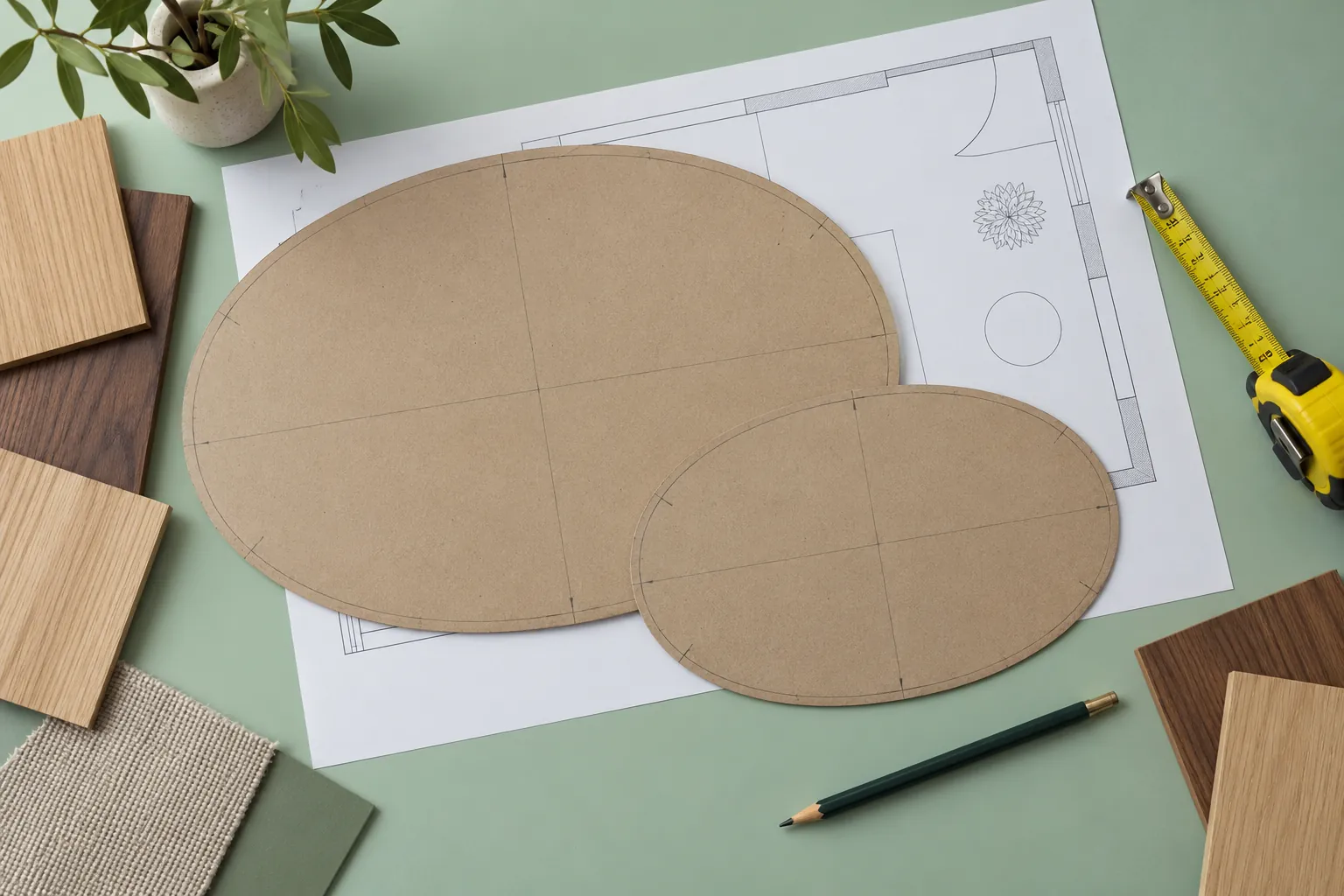
Try paper or cardboard templates on your floor. Walk from the sofa to the entrance and balcony door with the tables in their guest positions. Then check whether the smaller piece can return to storage without moving a chair first. Flexibility is less impressive if it requires a furniture evacuation.
Include the rug in this test. Ask to see how the feet sit at the edge of your chosen rug and whether the intended arrangement leaves all supports properly positioned. Do not assume a styled photograph demonstrates stability on your floor.
Will each table work independently?
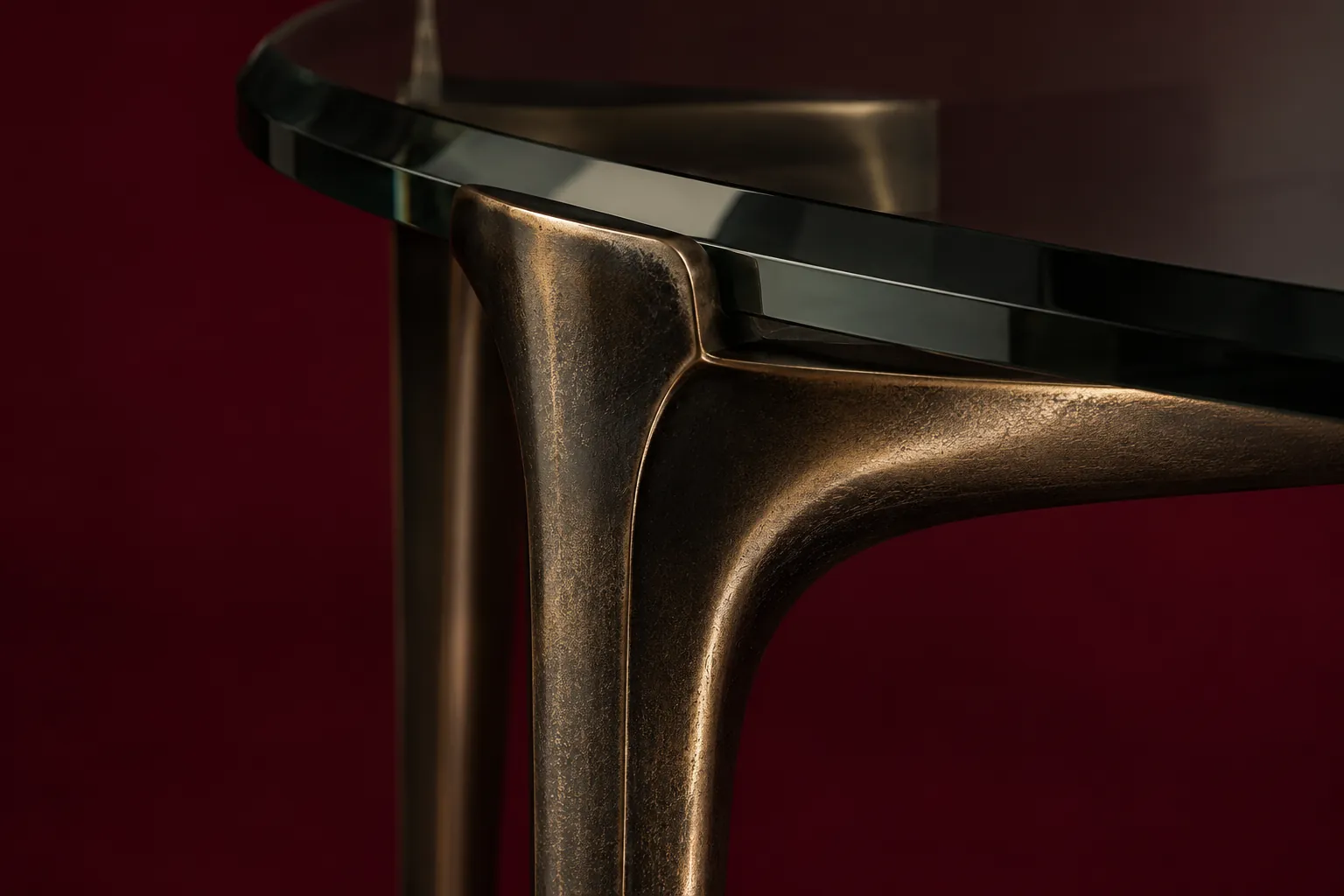
Each table should be assessed as an individual surface if you intend to separate the set regularly. Sit in the relevant chair and try the reach rather than choosing from standing height.
A lower table may suit the centre of a seating group but be awkward beside a high-armed chair. A small top can accommodate a cup yet leave no sensible place for a book or plate. Decide which objects each piece must hold before choosing its shape.
For a table intended to carry lighting, distinguish a permanent lamp position from a movable drinks surface. Plan the socket and cable route before rearranging either. Our table lamp buying guide explains the separate lighting brief.
What should you ask about materials and care?
Ask for the actual construction and care sheet, not just the finish name. A wood-effect description, for example, is not a statement that the top is solid wood.
As a specific manufacturer example, IKEA lists fibreboard, paper foil and other components for its SONHULT nesting tops, with steel legs, and gives model-specific cleaning and screw-tightening instructions. That is evidence about that product, not a care prescription for every nesting table or a statement about FCI stock.
For the piece you are considering, request written guidance on hot items, spills, cleaning products and moving the table. Ask whether the smaller piece is intended to be lifted or slid into position. If a supplier describes the set as suitable for heavy objects, request the exact permitted load and how it is applied.
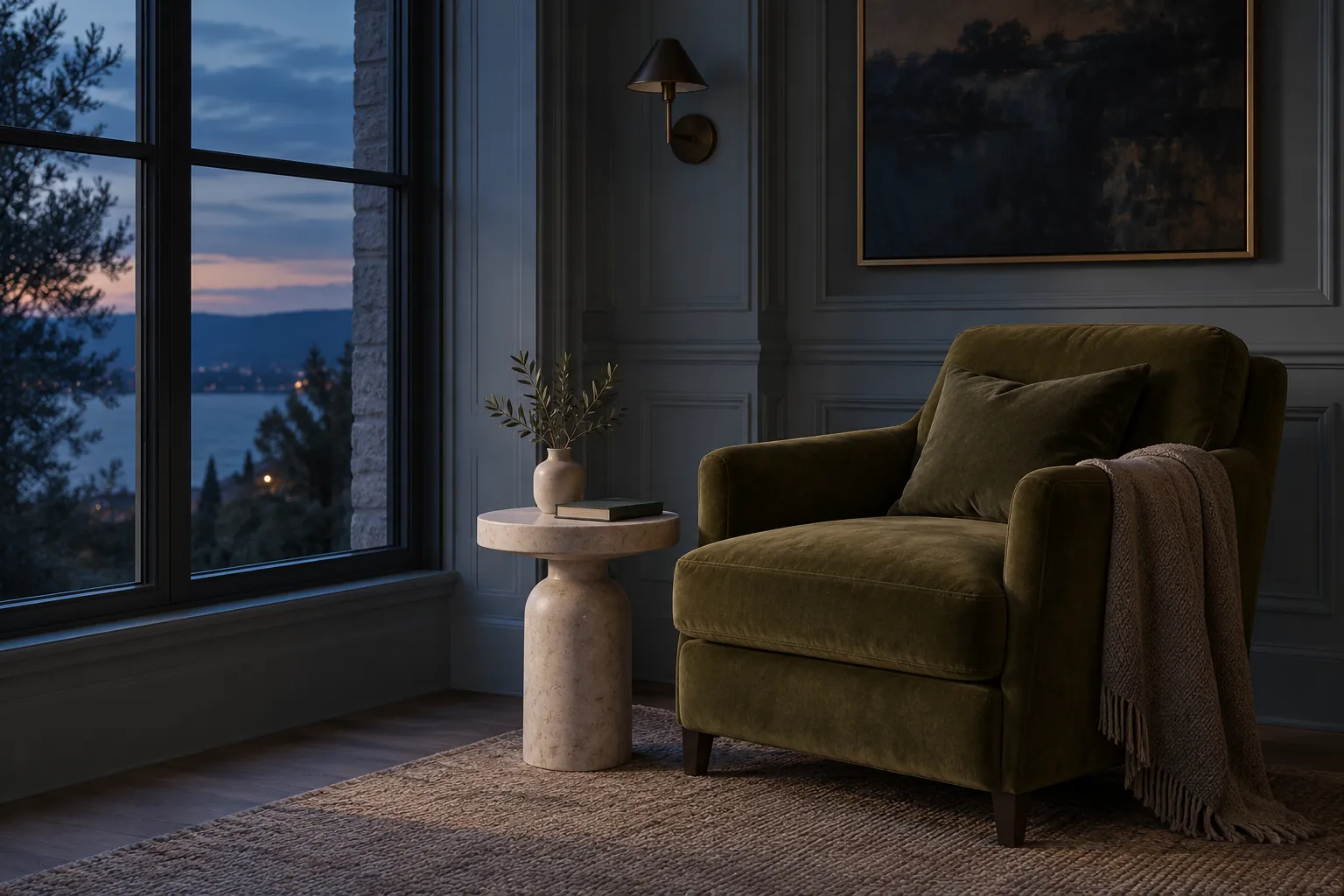
Do not use an occasional table as seating unless the manufacturer expressly permits that use.
What belongs in a Dubai buying brief?
A useful brief combines room measurements with an explanation of how the tables will move during normal use. This gives a furniture supplier something more actionable than a reference image alone.
Send the following:
- A measured seating plan showing doors, rug edges and circulation routes.
- Sofa and armchair seat heights, with photographs taken from seated eye level.
- The objects each table needs to carry and where each piece will park.
- Preferred materials, existing finishes and the relevant care requirements.
- Building access details, including lift and doorway constraints where relevant.
FCI UAE describes its role as furniture, lighting and finishes procurement for residential and commercial interiors. Discuss a nesting-table specification with FCI UAE, including the dimensions and exact model information needed before committing.
Limitations
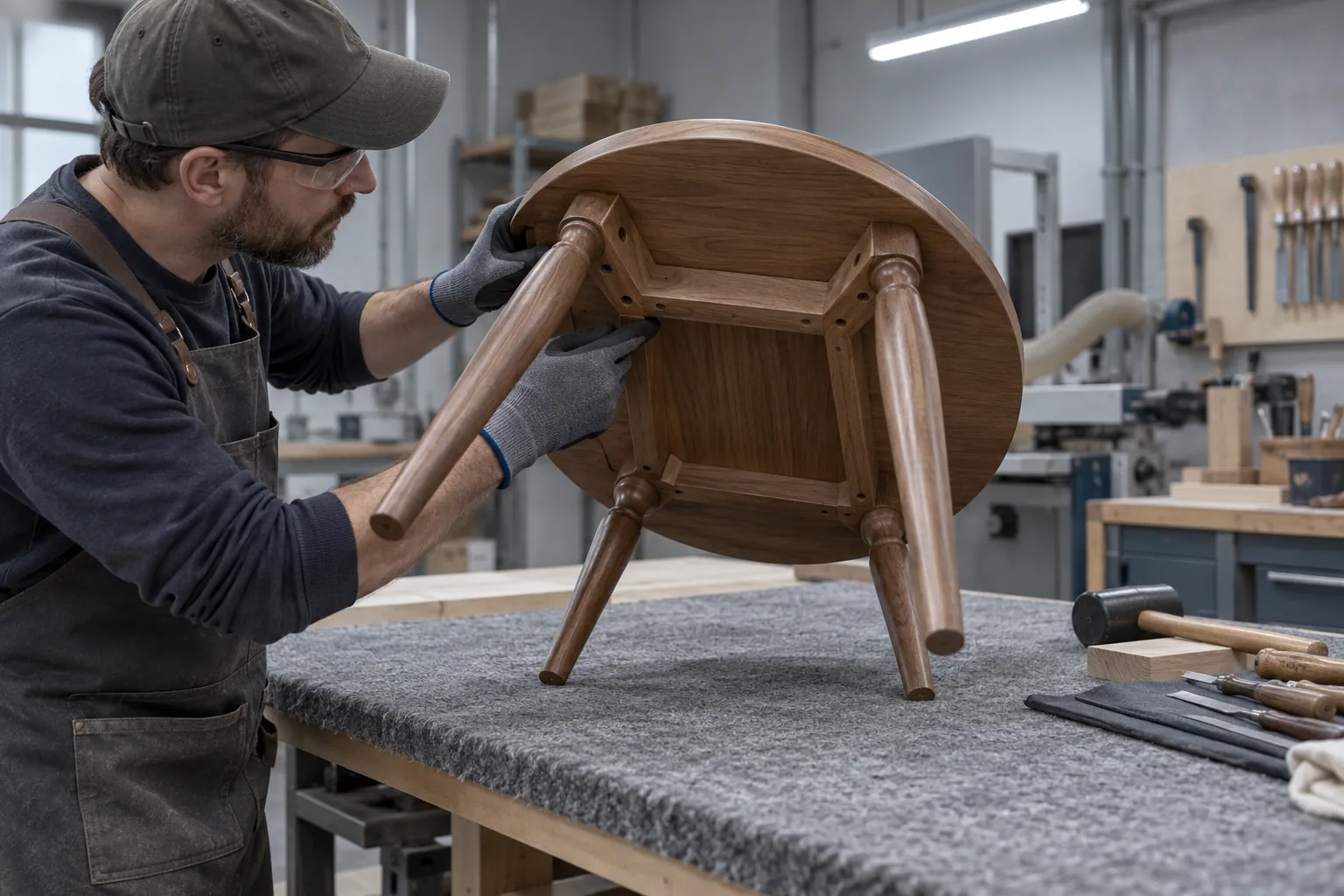
This is a furniture-selection framework, not a product test, structural assessment or promise of local availability. Dimensions, stability, care, prices and delivery arrangements must be confirmed for the selected product and your building. Images are illustrative interiors and details, not photographs of items offered for sale.