

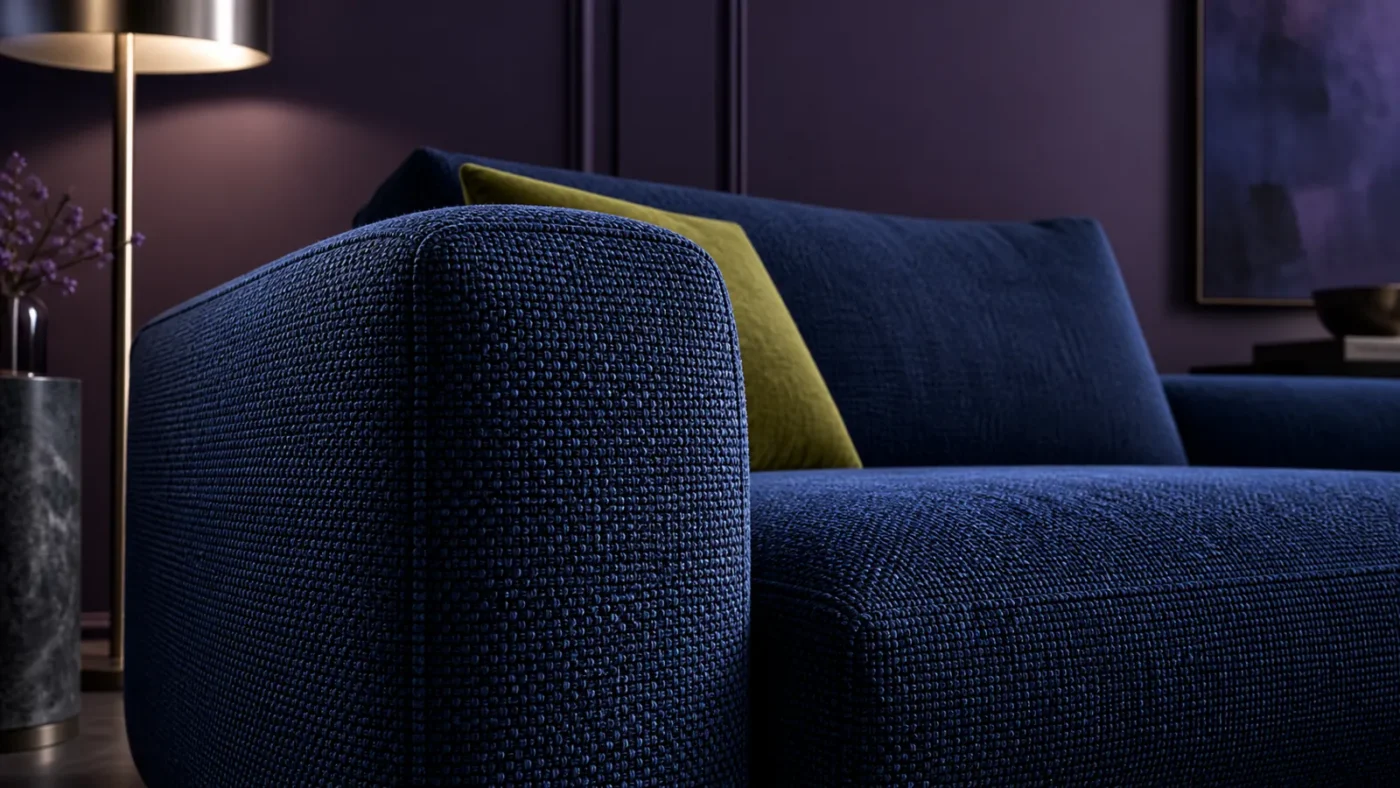
TL;DR: A Martindale rub count describes abrasion resistance, not a complete sofa specification; compare it with pilling, lightfastness and care requirements before choosing fabric for a Dubai home.
Key takeaways
- Martindale tests resistance to rubbing; pilling and lightfastness describe different properties, as Kvadrat's performance guide explains.
- Martindale and Wyzenbeek use different rubbing movements, so a comparison needs the test method as well as the number.
- Fabric near a sunny window needs a separate lightfastness assessment; a high abrasion result does not supply that information.
- Cleaning instructions for loose fabric do not automatically apply to a finished sofa with fixed upholstery: Calligaris care guidance.
- Ask for the exact fabric reference, test information and finished-product care instructions before approving an upholstery choice.
What does a Martindale rub count measure?
A Martindale rub count records a fabric's performance in a controlled abrasion test. In Kvadrat's explanation, a specimen is rubbed against a standard textile under a specified load until the test endpoint is reached.
That makes the number useful for a particular question: how does this cloth withstand repeated rubbing under the test conditions? It is not a calendar showing when your sofa will need replacing.
Keep the result attached to the fabric it describes. Ask for the manufacturer's fabric name, reference and applicable test information, rather than accepting a loose claim that the collection is hard-wearing. If the report applies to a fabric family rather than your selected colour, ask the supplier to explain that scope.
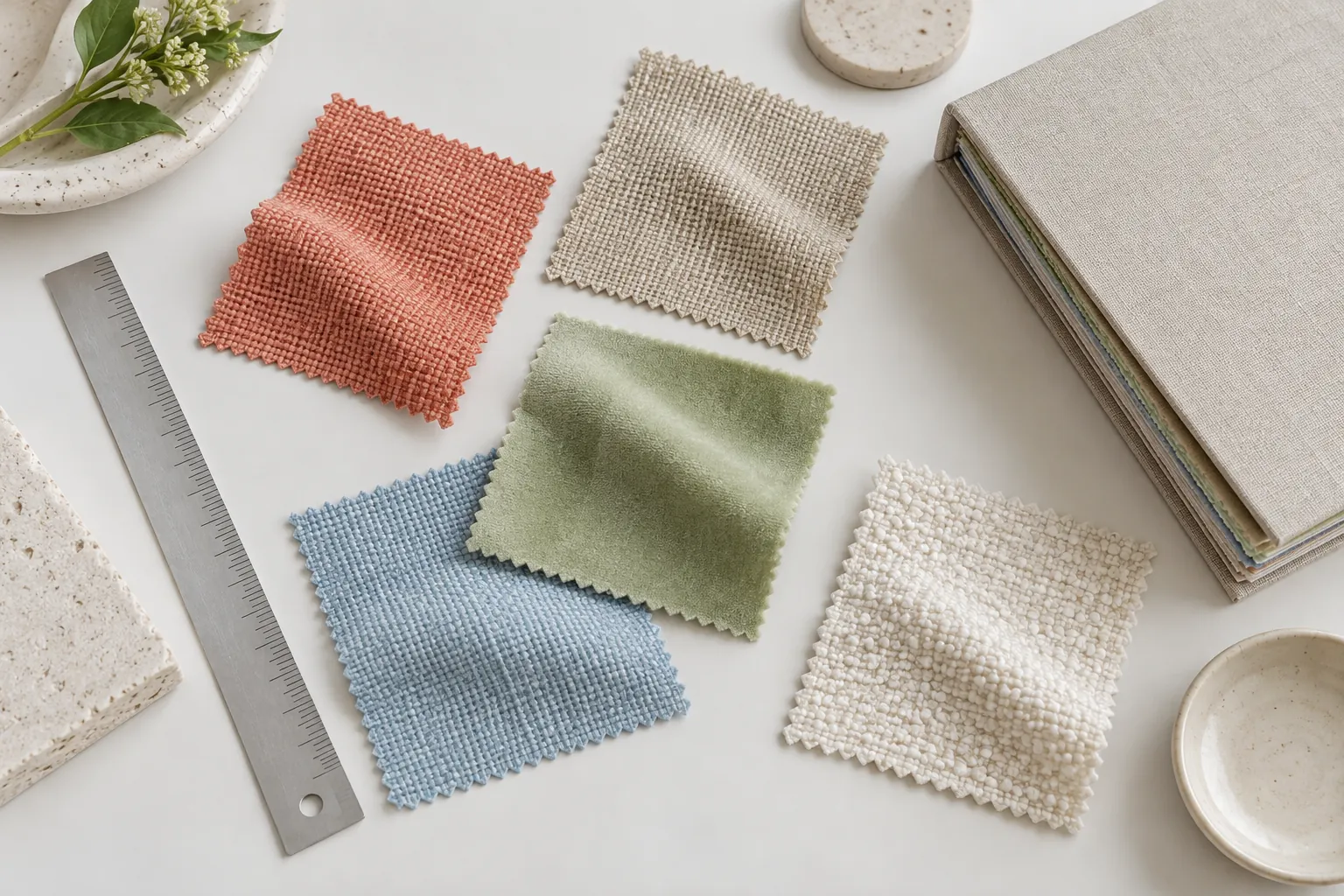
A large number can look wonderfully decisive on a sample label. Your living room, inconveniently, contains more than a rubbing machine.
Is a higher rub count always the better choice?
Not as a complete purchasing decision, because abrasion is only one of the properties you need to compare. Kvadrat identifies abrasion, pilling, lightfastness, intended application and appearance retention as separate considerations.
Our recommendation is to treat abrasion suitability as an entry requirement, then compare the remaining practical trade-offs. A cloth that feels right, has suitable documented performance and comes with manageable care instructions may be a better choice for your brief than one selected solely for its headline number.
This is especially useful when comparing a formal sitting room with everyday family seating. Describe how the sofa will be used, where it will sit and who will maintain it. Do not expect one impressive test result to answer those questions on your behalf.
When the evidence is incomplete, record what is missing. An undocumented property is not automatically poor, but it is still an unanswered buying question.
What rub count should you ask for?
Ask for a result appropriate to the intended use, rather than treating one threshold as a universal Dubai standard. Kvadrat's guide places 15,000 to 30,000 Martindale rubs in its medium-duty residential category and higher bands in heavier-use categories.
Those are a textile manufacturer's application guidelines, not a guarantee of years of service, a UAE regulation or a rule that every home needs a commercial specification. The supplier should explain why the selected cloth suits the actual sofa and use.
Check the method as well. Kvadrat describes Wyzenbeek rubbing along the warp and weft, while Martindale uses a figure-of-eight movement. Our comparison rule is simple: keep the method, result and intended application together, and do not rank different test labels by the largest number alone.
If you are still deciding on the furniture itself, settle the footprint with our Dubai sofa-size guide before committing to an upholstery specification.
Which fabric checks matter beside a sunny window?
Lightfastness deserves its own question when sunlight falls on the planned seating position. Kvadrat defines lightfastness as resistance to colour fading under light exposure and specifically highlights furniture near windows.
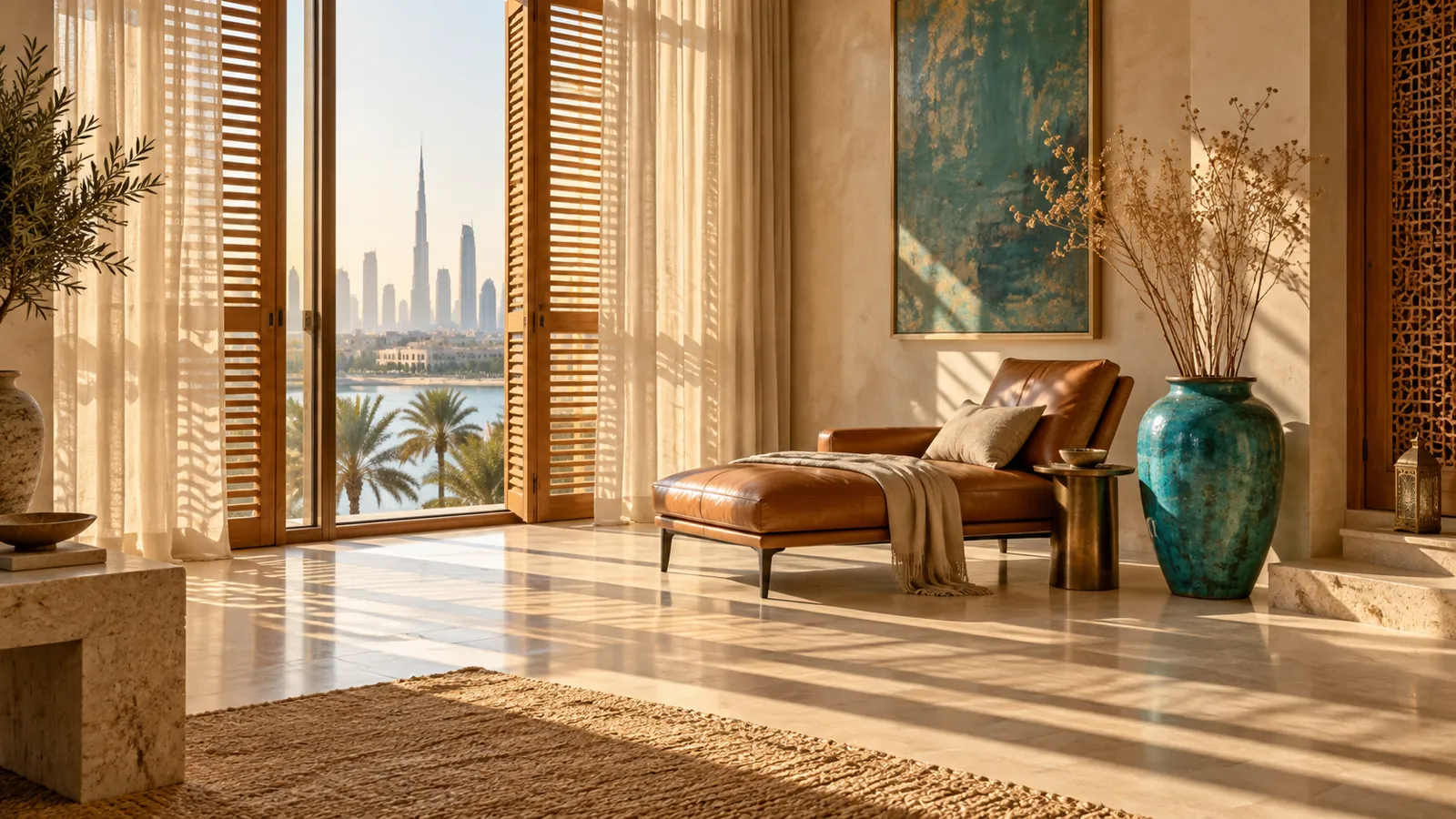
For a glazed Dubai apartment or villa sitting room, our recommendation is to show the supplier the actual room, window orientation and shading. Describe direct exposure rather than simply saying that the room is bright. Ask which lightfastness test and rating apply to the shortlisted textile.
A swatch viewed in your room can help you judge its colour and texture under your lighting. It is not a home laboratory test of future fading. Ask for the performance evidence separately.
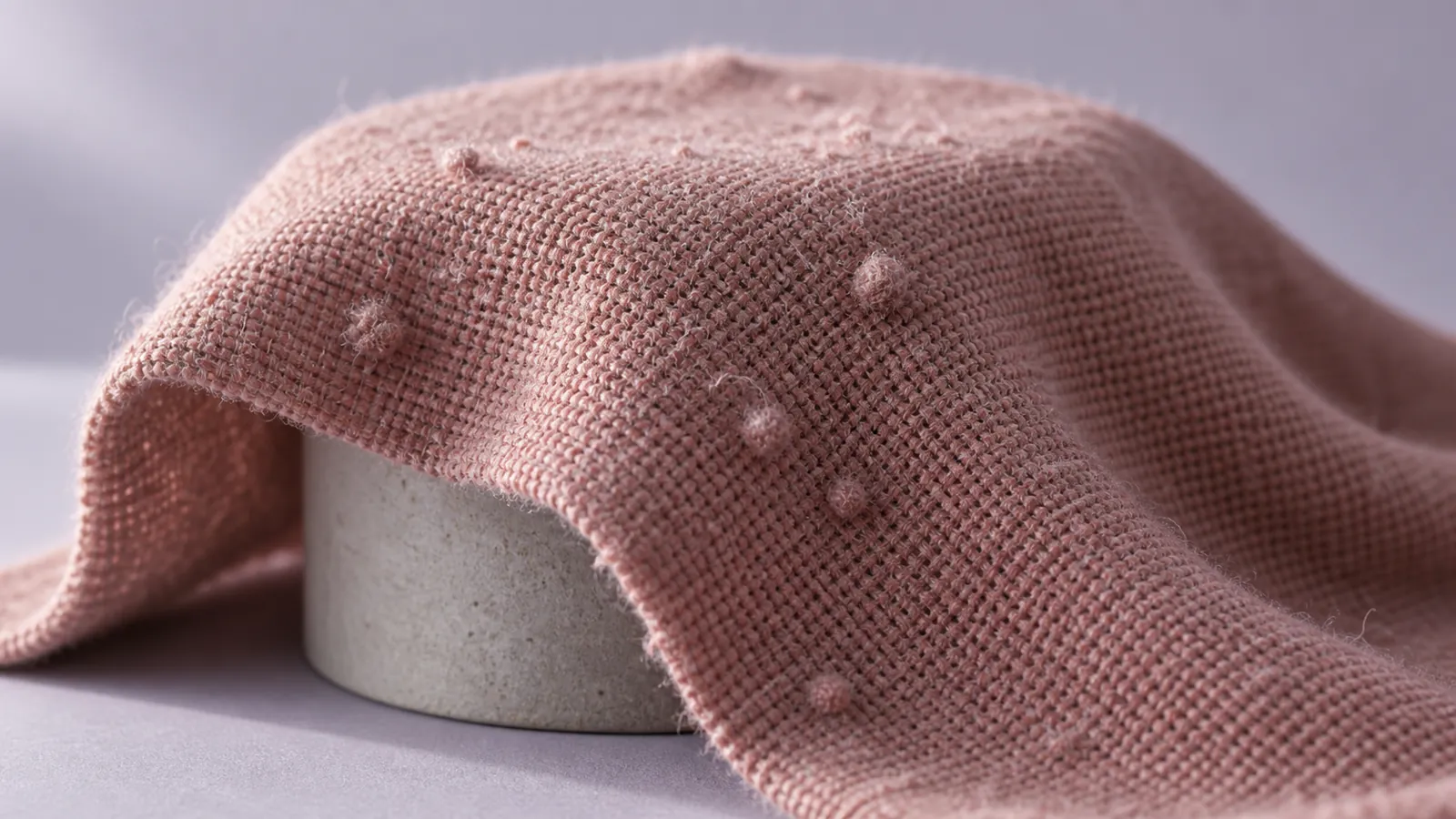
Also request the pilling information. Kvadrat describes pilling as loose fibres forming small balls on the fabric surface and assesses it separately from abrasion. A rubbing result and a pilling result are related to different appearance questions, not two names for the same reassurance.
Does easy-clean fabric mean an easy-clean sofa?
Not necessarily; the finished sofa's construction and care instructions still matter. Calligaris tells customers to follow the maintenance label and notes that a washing method shown for fabric may not be applicable when the upholstery is not removable.
Before ordering, ask whether each cover is removable, whether removal is intended for cleaning, and which method the furniture maker permits. Ask the same questions about replacement covers rather than assuming they can be ordered later.
Our Dubai purchasing advice is to make the care plan usable by whoever actually looks after the room. Agree the instructions before introducing a cleaning product or arranging professional treatment. A reassuring adjective on a sample book is not a maintenance method.
This does not mean stain-resistant treatments are useless. It means the treatment description should not replace the instructions for the particular finished item.
What should your supplier put in writing?
Request a short fabric schedule that connects the chosen cloth to its use, evidence and care. Use these headings for each shortlisted option:
| Field | What to request |
|---|---|
| Identity | Manufacturer, fabric reference and selected colour |
| Abrasion | Test method, result and the use category the supplier recommends |
| Appearance | Pilling and lightfastness information, including test method where available |
| Construction | Fixed or removable upholstery and any model-specific restrictions |
| Care and support | Finished-product instructions and confirmation of replacement options |
This is a request template, not a completed test report. Leave a field unresolved until the supplier answers it. Our judgement is to prefer a clearly explained specification over a higher number with important gaps around it.
Browse FCI UAE's sofas to build a shortlist, then ask for the fabric information for those specific models. That keeps the conversation tied to furniture you might actually order.
Limitations
This guide does not test a fabric, predict its lifespan or establish a universal residential performance threshold. Kvadrat's guidance concerns textiles; Calligaris's instructions concern its own products. Neither establishes identical performance or care for every sofa supplied by FCI.
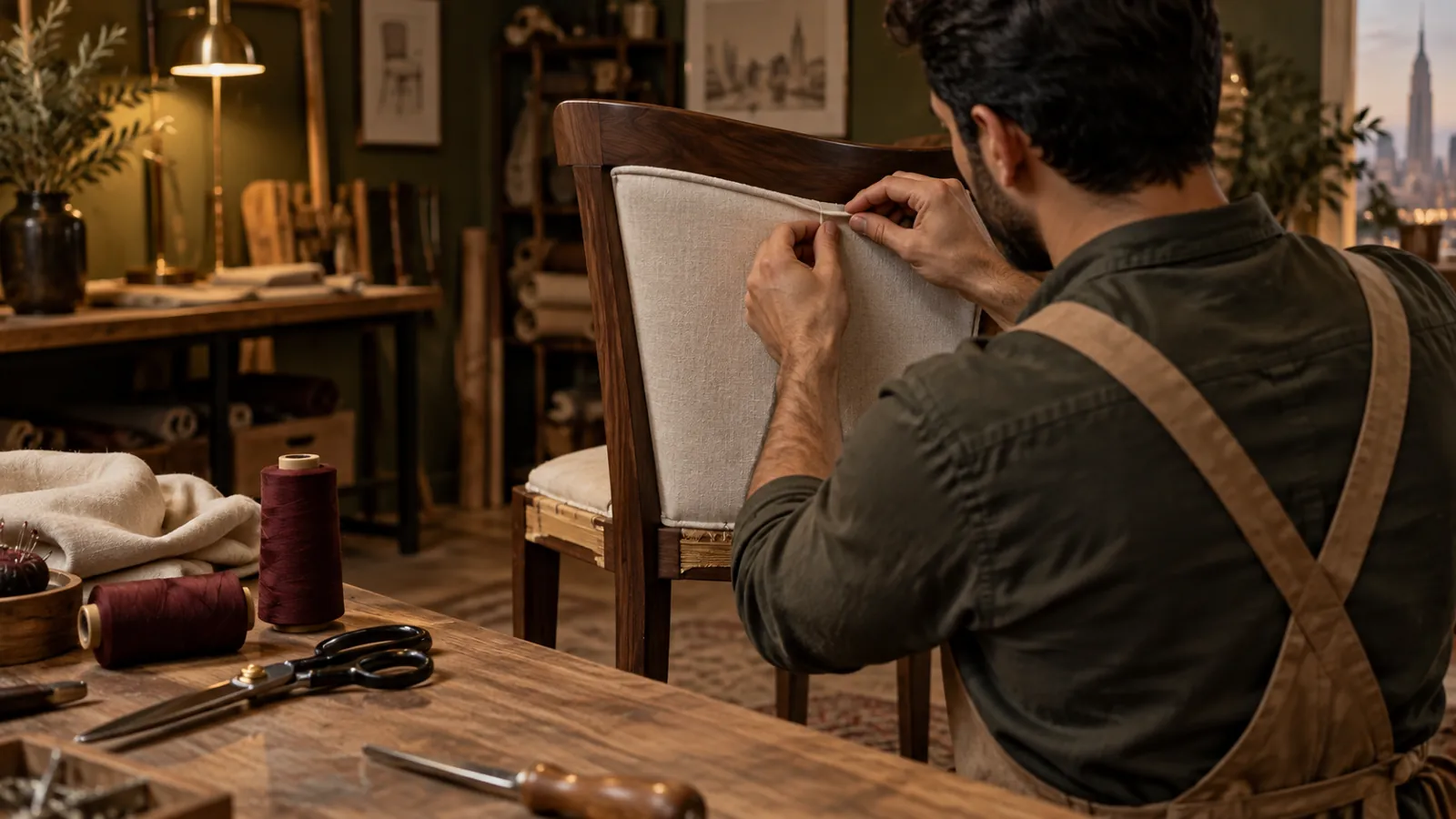
Generated images are editorial illustrations, not FCI installations, product photographs or textile-test evidence. Confirm the exact upholstery, construction and care requirements before purchase.
Ready to narrow your fabric shortlist?
Send the room conditions and shortlisted sofa models with your enquiry. Contact FCI UAE to discuss fabric references, samples and the information needed for a considered specification. Include photographs of the proposed position and the way you expect to use the room.
Sources
- Understanding key fabric performance indicators, Kvadrat.
- Frequently Asked Questions, Calligaris. Technical information, fabric care and maintenance sections.
- What Size Sofa Fits Your Dubai Home? A Buyer's Guide, FCI UAE.
- Sofas, FCI UAE.
- Contact FCI UAE.