

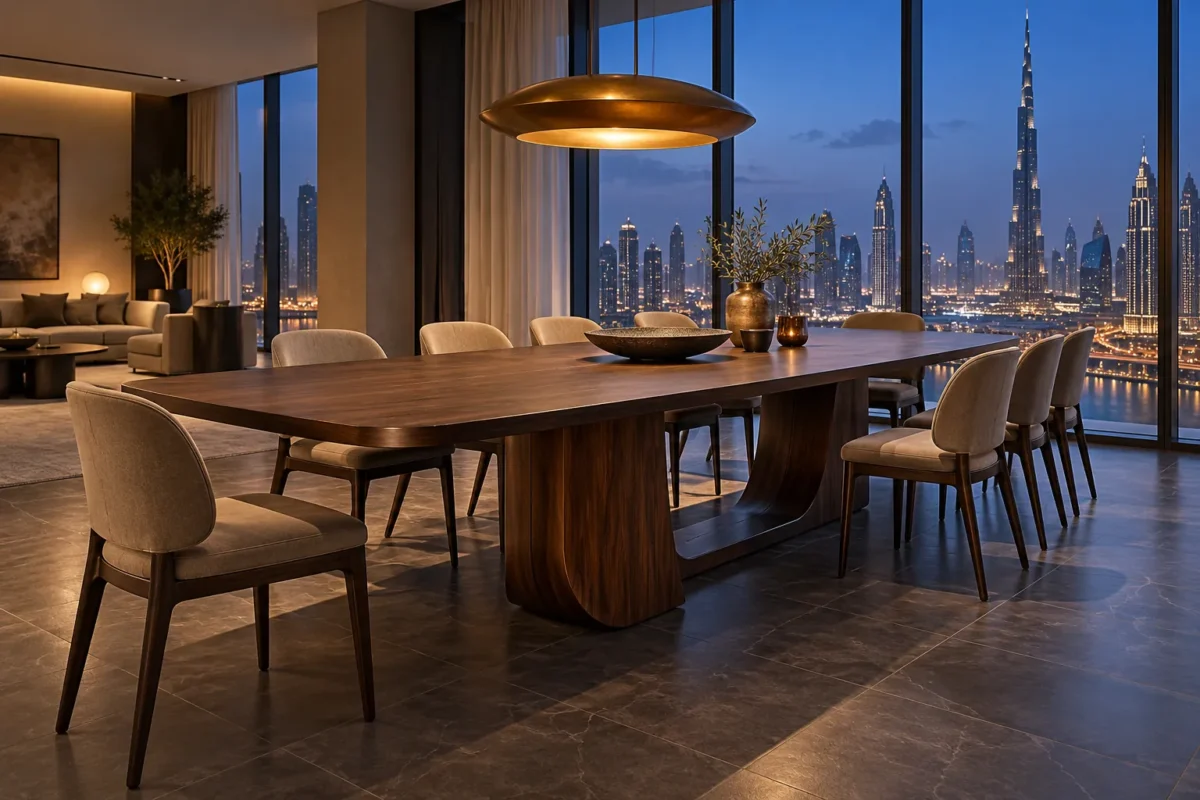
TL;DR: Choose an extendable dining table for a Dubai home by testing its closed footprint, fully extended layout and opening mechanism with the chairs you intend to use.
Key takeaways
- An extending table needs two room layouts: one for everyday meals and one for the full guest arrangement.
- Extension systems differ: rodam describes front, centre-divided, slider and automatic mechanisms.
- Check chair positions against the legs and frame in both configurations, not just the tabletop dimensions.
- Agree where any removable leaves and additional chairs will live before placing the order.
What makes an extendable dining table work in Dubai?
An extendable dining table works when the larger configuration is genuinely usable, rather than merely possible to assemble. For an apartment or villa dining area, start with the meals you eat most often, then plan the occasional larger gathering separately.
Our buying judgement is simple: do not sacrifice the everyday room for a guest count you use rarely. Equally, do not describe a table as space-saving if opening it requires moving half the sitting room into the corridor.
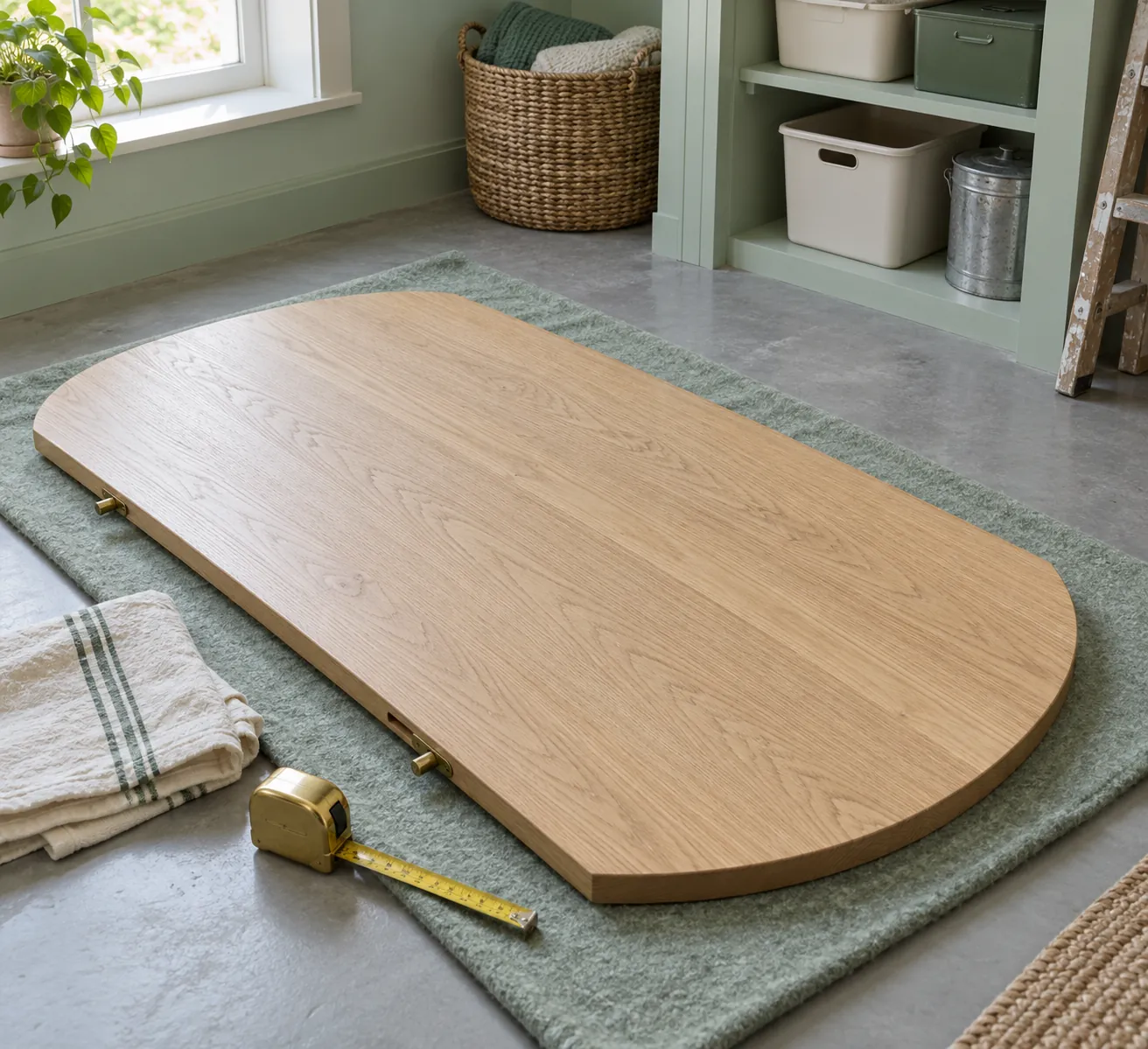
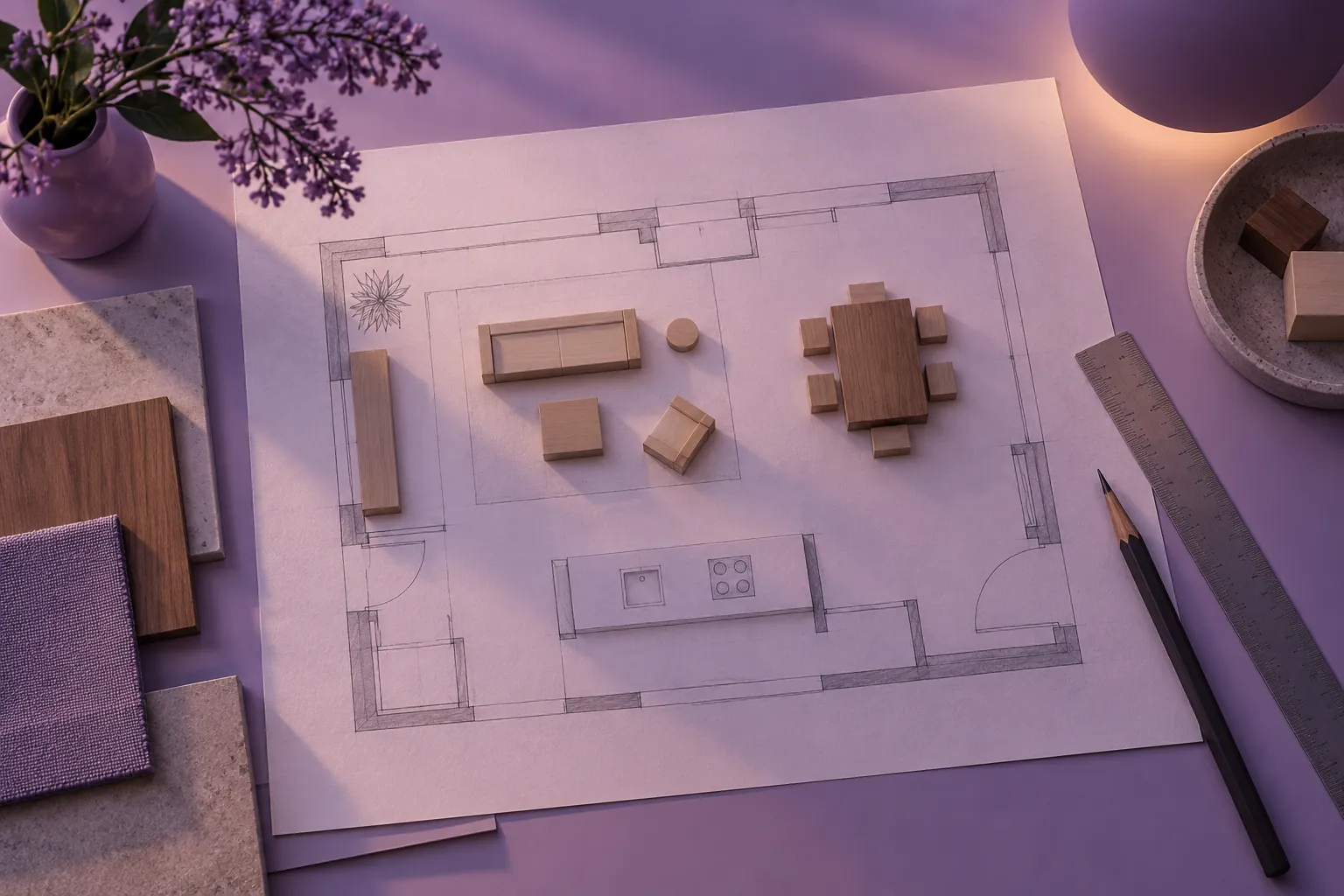
Make a two-part brief. Record your usual number of diners and your occasional guest arrangement. Then mark the table outline on the floor in both states. Add the chairs, the space needed to sit down and the route between the kitchen and the table. A rectangle of tape is a rather economical reality check.
Which extension mechanism should you choose?
Choose the mechanism you can operate comfortably in your actual room, following the specific manufacturer's instructions. Different systems move different parts of the table.
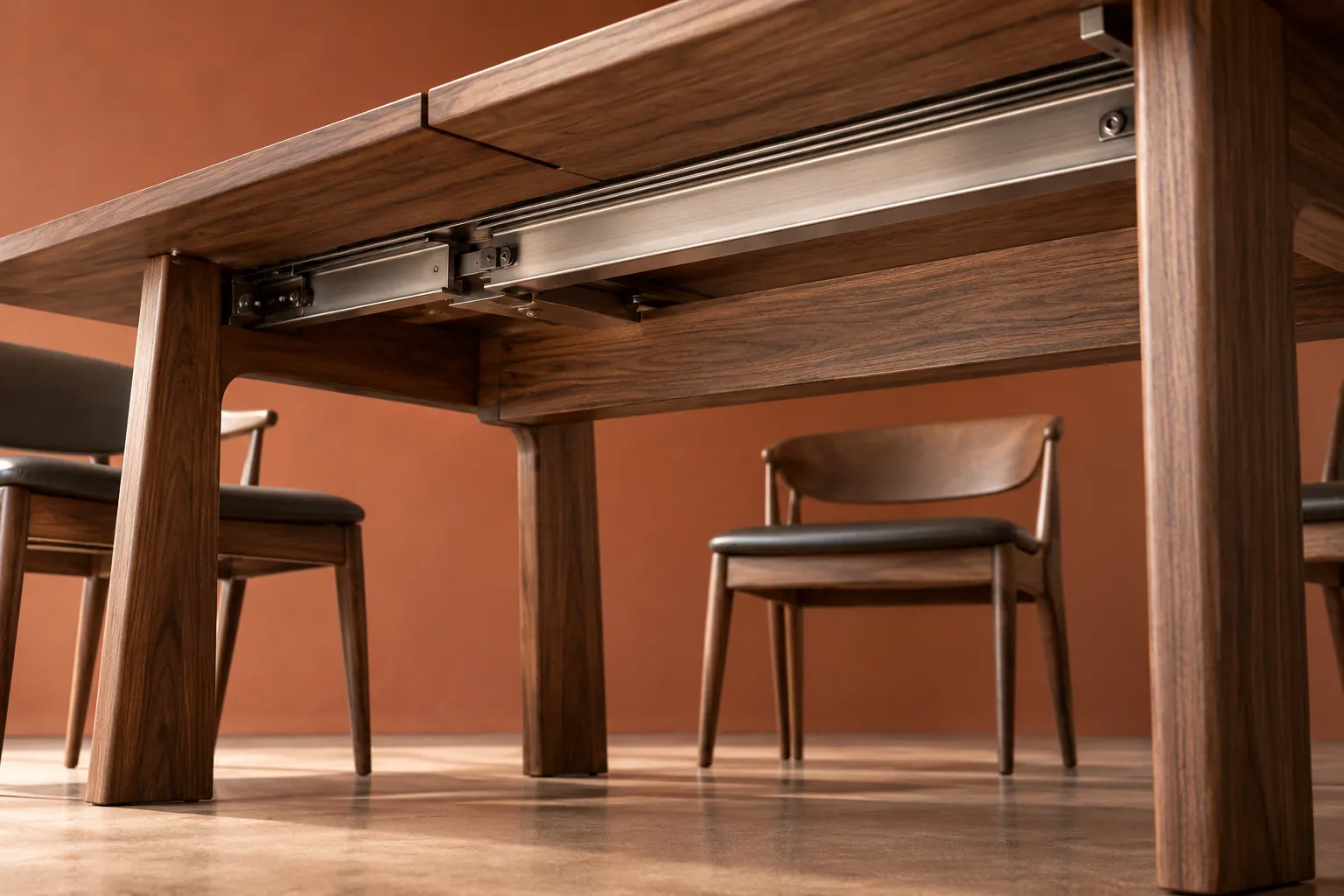
For example, rodam's centre-divided extension separates the two halves of the top and unfolds an integrated central insert. Its slider description uses a different movement involving the frame and tabletop. These are examples of mechanism design, not confirmation that a particular model is stocked by FCI.
Ask for a demonstration from closed to fully open and back again. Watch which end needs working space, whether legs move, where fingers must be kept clear and how the mechanism locks. If you expect to use the table alone, ask whether that exact model is intended for one-person operation. Do not borrow the answer from a similar-looking table.
How do you check whether the extra seats fit?
Check the usable seating positions around the base, not simply the advertised number of places. A longer top is only part of the arrangement.
Take the proposed dining chair to the table or compare their dimensioned drawings. Look at seat width, arm height, leg position and the underframe. Check whether an end chair leaves usable knee space when the extension is open.
Then rehearse the layout with people seated. Can someone leave without everyone else standing? Can a serving dish reach the table without squeezing past the back of a chair? Our round dining table planning guide explains why the base and chair arrangement deserve as much attention as the outline.
Do not turn one clearance figure into a universal guarantee. The right working space depends on the chairs, room, users and routes you need to preserve.
Where should the leaves and spare chairs go?
Give every removable component a storage location before ordering. An extension leaf without a home is simply a second furniture problem in a very flat disguise.
Ask whether the leaves are stored within the table or separately. For separate leaves, obtain their dimensions, weight and the manufacturer's handling and care instructions. Decide who will move them and how they will be protected in storage. Check that the spare chairs can reach the room without blocking everyday access.
For your Dubai project brief, include the delivery route as well as the dining plan: building entrance, lift, corridors and the final doorway. Ask the supplier to confirm the delivered package sizes and any permitted on-site assembly. A table that fits the room still needs to get there.
Limitations
This is a buying framework, not a specification for a particular table. Mechanisms, weight limits, finish care, available sizes and delivery arrangements are model-specific. The rodam examples explain design choices; they do not establish FCI stock, prices or compatibility.
What should you send before requesting a quote?
Send a room plan, photographs, the usual and occasional seat counts, and the chair dimensions. Browse FCI UAE dining tables to establish the style, then contact FCI UAE with the two-layout brief and ask which current options meet it.