

Written by: Emma Cyrus, Senior Copy, Content & Editorial Writer
Reviewed by: Benjamin Ibanez, General Manager & Interior Designer at FCI
Edited by: Zoona Sikander, Interior Design Writer & Social Media Content Creator
Summary
This article highlights the principles of exceptional home furniture, focusing on craftsmanship, material honesty, and timeless quality. It emphasizes the value of artisanal pieces that age gracefully and transcend trends, with Dubai’s luxury market prioritizing thoughtful curation and lasting significance over fleeting styles. A discerning look at what truly defines exceptional home furniture in today’s international design landscape, separating timeless quality from fads.
Table of Contents
Having curated luxury furniture collections for discerning clients for over two decades, I’ve observed the ebb and flow of design movements across continents, from Italian craftsmanship to Scandinavian minimalism and beyond. What continues to intrigue me is how certain principles of exceptional design transcend both geography and fleeting trends, particularly in markets like Dubai where international influences converge with sophisticated local tastes.
The discerning collector understands that beyond aesthetics and brand prestige lies a more nuanced appreciation, one that values provenance, craftsmanship, and the subtle dialogue between material and form that distinguishes truly exceptional pieces from merely expensive ones.
The Return to Artisanal Values
Why Craftsmanship Matters More Than Ever
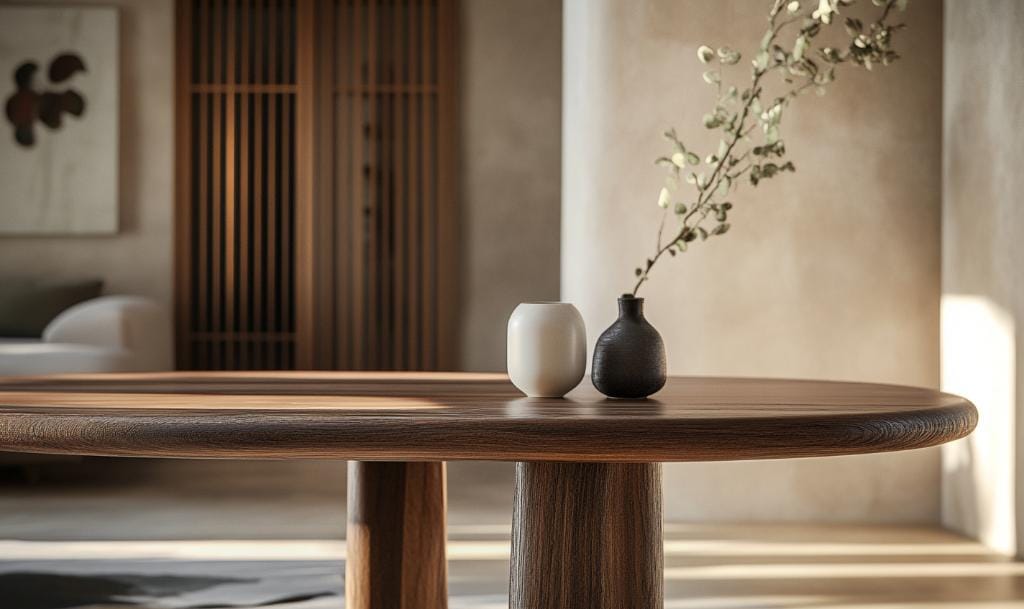
The most compelling shift in luxury furniture design isn’t about aesthetics but philosophy. We’re witnessing a pronounced return to artisanal values, not as marketing rhetoric, but as genuine practice.
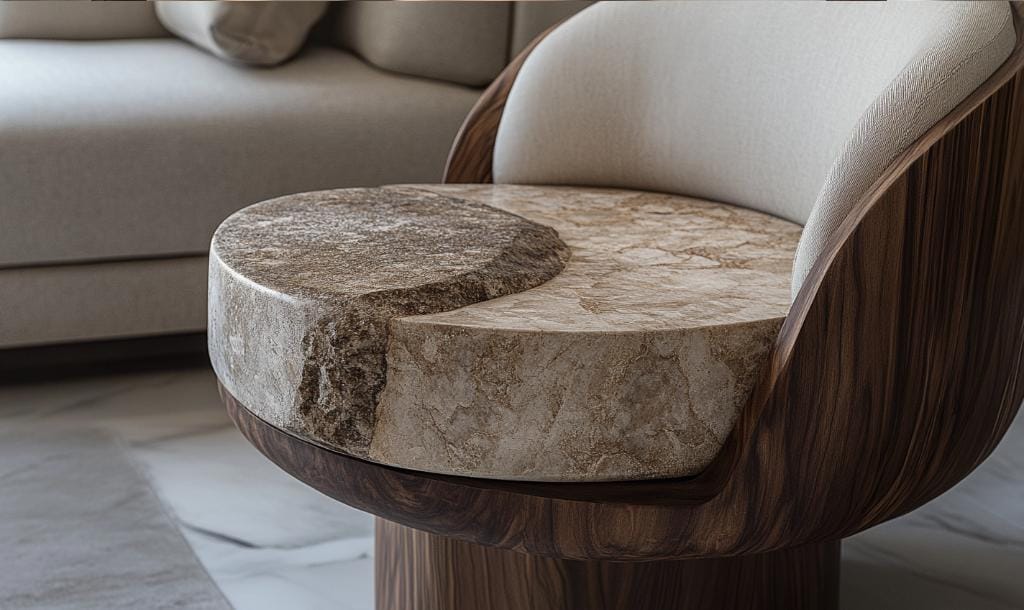
The serious collectors I work with in Dubai have grown increasingly discerning, moving beyond the ostentatious displays that characterised earlier decades. Today’s sophisticated buyer seeks pieces with authentic provenance, where the maker’s hand is evident not through excessive ornamentation but through subtle, masterful details that only reveal themselves upon closer inspection.
Investing in Narrative and Provenance
What my clients are purchasing isn’t merely luxury furniture; they’re investing in narrative. The story of a fifth-generation wood joiner who refuses to compromise traditional techniques, or the small atelier that sources sustainable materials from a single forest, these narratives now carry as much weight as aesthetic appeal.
Key Takeaways:
- Luxury furniture today values provenance and craftsmanship over brand prestige.
- Buyers seek pieces with authentic origins and subtle, masterful details.
- The story behind the piece, such as artisanal techniques and sustainable sourcing, adds significant value.
Material Honesty: Beyond Surfaces
The Shift Towards Authentic Materials
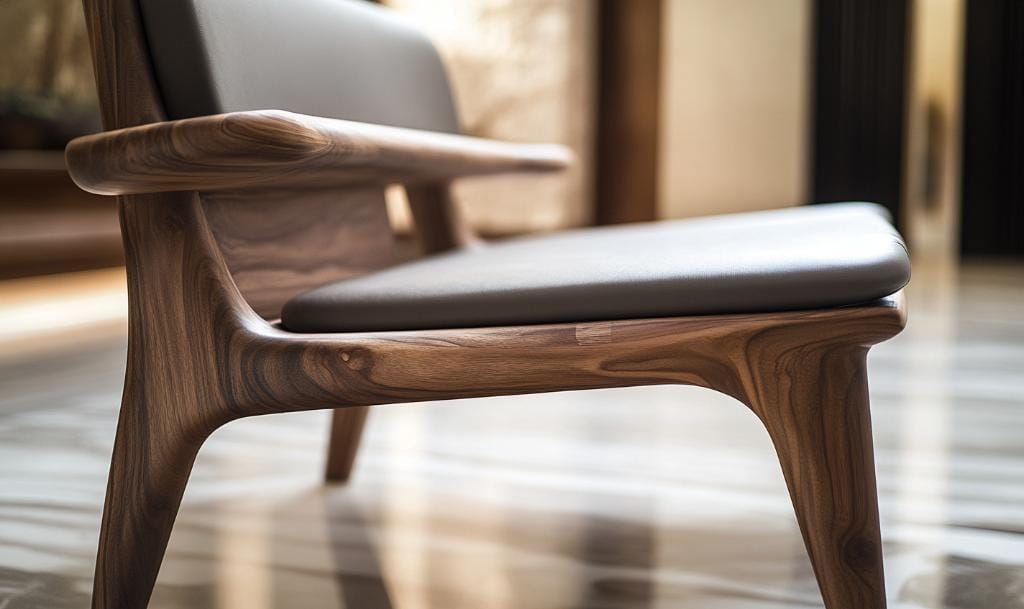
The concept of material honesty has emerged as a defining characteristic of truly exceptional home furniture. This isn’t simply about using expensive materials but about employing them with integrity and purpose.
The industry has moved beyond the era when a thin veneer of exotic wood could be marketed as luxury. Today’s finest manufacturers allow materials to express their inherent properties rather than disguising them. Consider how a properly crafted marble tabletop will showcase the stone’s natural veining as deliberate composition, not a random pattern.
Materials That Age Gracefully in Dubai’s Climate
In Dubai’s market for home furniture, where international influences merge with local sensibilities, I’ve noted growing appreciation for materials that age gracefully. There’s wisdom in selecting pieces that develop a patina over time, solid brass that gradually mellows, full-grain leather that develops character with use, or hardwoods that deepen in tone after years in residence.
Key Takeaways:
- Material honesty highlights the natural beauty of materials, without disguising their properties.
- Luxury home furniture today showcases elements like marble veining and solid brass.
- Dubai values materials that age gracefully, such as full-grain leather and hardwoods.
Functional Innovation vs Technological Gimmickry
Sophisticated Technological Integration in Luxury Furniture
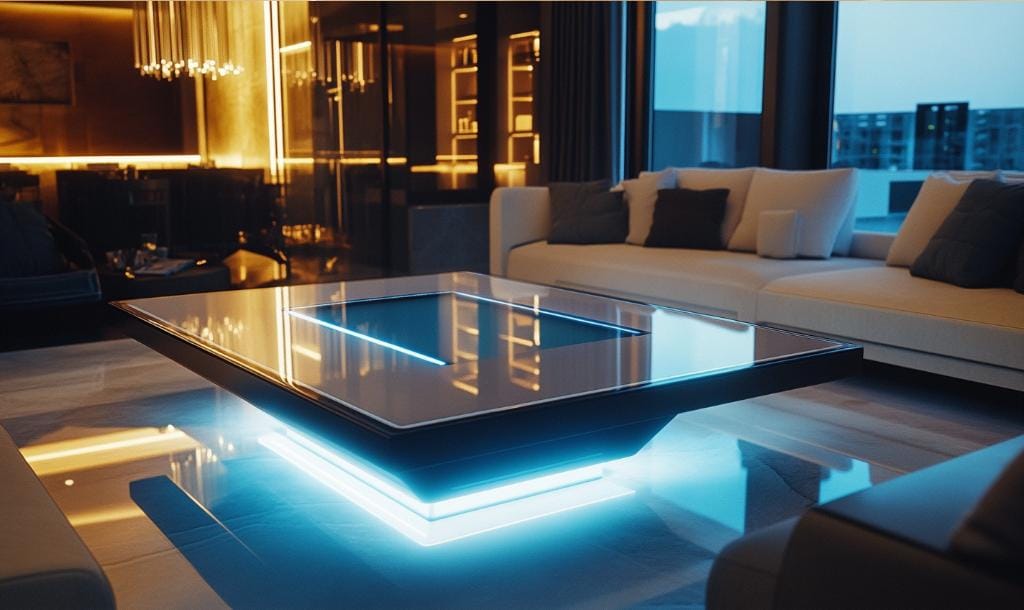
The integration of technology into luxury furniture has finally matured beyond novelty. Whereas previous iterations focused on obvious features, beds that transformed into entertainment centres or sofas with built-in refrigeration, today’s innovations serve the user without drawing attention to themselves.
The most sophisticated home furniture Dubai collections now feature pieces with considered technological integration: dining tables with invisible induction charging capabilities, storage solutions with touch-sensitive lighting, or seating with climate-regulation properties that require no external power source.
Distinguishing Long-Term Innovations from Novelties
What distinguishes worthy innovations from mere gimmicks is longevity, both in durability and design relevance. When evaluating mechanised elements in luxury furniture, I advise clients to consider not just how impressive they appear during a demonstration, but how they’ll function a decade from now.
Will replacement parts be available?
Can the mechanism be serviced?
These questions separate investment pieces from expensive novelties.
Key Takeaways:
- Modern luxury furniture integrates technology subtly, enhancing functionality without being flashy.
- Innovations like invisible charging and climate-regulating seating focus on long-term usability.
- True quality comes from durable, serviceable technology that remains relevant over time.
Spatial Adaptation: Luxury Through Versatility

Contemporary living patterns have fundamentally altered our relationship with space, and luxury home furniture has responded accordingly. The notion that high-quality pieces must be imposing or inflexible has given way to a more sophisticated understanding of versatility.
How Modular Systems Enhance Contemporary Spaces
Today’s most compelling luxury furniture designers create pieces that adapt to different configurations without sacrificing structural integrity or aesthetic coherence. Modular systems that once signalled compromise now represent thoughtful design when executed with precision. What matters is the quality of connections, the consistency of materials, and the consideration of how components interact.
In the context of Dubai’s diverse residential architecture, from expansive villas to meticulously designed apartments, this adaptability holds particular value. Home furniture that allows for spatial reconfiguration without appearing impermanent represents a genuine evolution in luxury design thinking.
Key Takeaways:
- Luxury furniture prioritizes versatility, adapting to different spaces without compromising quality.
- Modular systems are designed with precision and material consistency.
- In Dubai’s diverse architecture, adaptable furniture adds value and flexibility.
The Subtle Art of Proportion
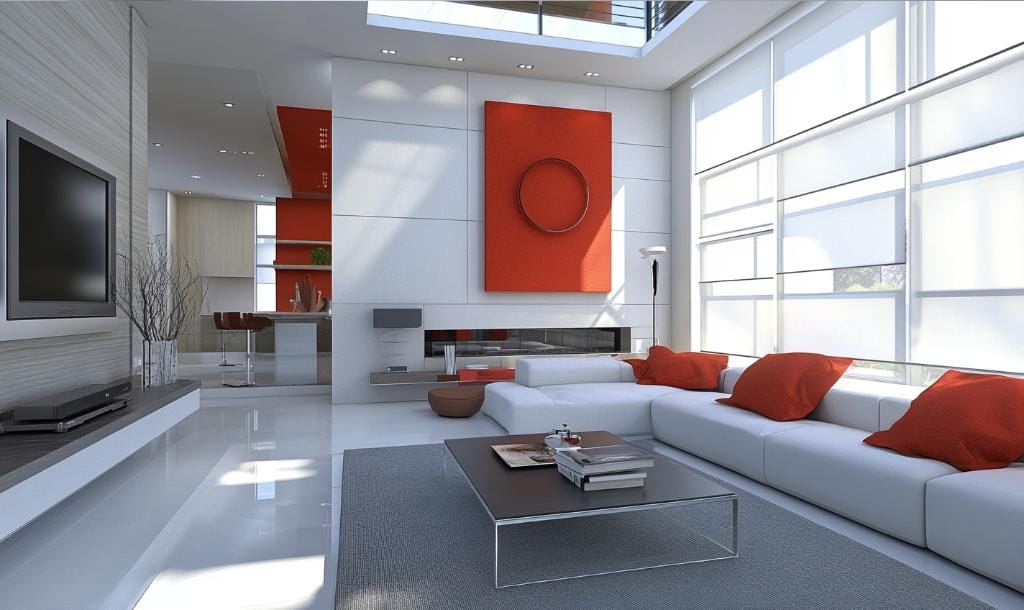
The Role of Proportion in Luxury Design
Perhaps the most overlooked yet crucial aspect of exceptional furniture design is proportion, the mathematical relationships that determine whether a piece feels intuitively “right” or subtly discomforting.
The finest luxury home furniture manufacturers maintain exacting standards in their dimensional calculations, often drawing on classical principles like the golden ratio while adapting them for contemporary contexts. This attention to proportion extends beyond the furniture itself to consider how pieces relate to human scale and architectural space.
How Proportions Influence Comfort and Aesthetic Appeal
What’s particularly interesting is that proportion rarely features in marketing materials or sales discussions about luxury furniture. Yet it remains the element that distinguishes truly exceptional design from merely expensive production. When a dining chair feels perfectly balanced despite its substantial profile, or when a console table maintains visual lightness despite its solid construction, you’re experiencing the results of meticulous proportion studies.
Key Takeaways:
- Proportion ensures furniture feels balanced and harmonious in scale.
- Luxury furniture uses precise calculations, often based on classical principles.
- Proper proportion separates exceptional design from expensive pieces.
Final Thoughts
While trend forecasters continue to announce the colour of the year or the return of particular styles, the most sophisticated approach to luxury furniture acquisition remains focused on principles rather than fashions.
Exceptional home furniture collections are built through considered curation rather than seasonal updating. They demonstrate an understanding that true luxury isn’t about having the latest design, but rather possessing pieces of genuine quality and cultural significance.
For collectors in Dubai’s sophisticated market, where international design currents meet local appreciation for craftsmanship, this means developing relationships with knowledgeable advisors and manufacturers who prioritise substance over spectacle. It means recognising that the most valuable luxury furniture isn’t that which impresses immediately, but rather reveals its excellence gradually through daily use.
The ultimate luxury in today’s design landscape isn’t accessed through budget but through discernment – the ability to recognise exceptional quality independent of price point or brand prestige. This understanding transforms furniture acquisition from consumption into connoisseurship, and living spaces from showcases into personal sanctuaries of authentic quality.
FAQs
What defines exceptional home furniture?
Exceptional home furniture is defined by craftsmanship, material honesty, functional innovation, and proportion. It transcends trends, focusing on timeless quality, adaptability, and durability.
How does technology integrate into luxury furniture?
Modern luxury furniture integrates subtle technology, like invisible charging or climate-regulating seating, enhancing functionality without drawing attention to itself.
Why is material honesty important in luxury furniture?
Material honesty means using materials in their natural state, allowing their inherent beauty to shine. It’s about integrity and purpose, ensuring longevity and a unique aesthetic over time.
What is the role of proportion in furniture design?
Proportion ensures furniture feels intuitively “right.” Luxury designs focus on precise measurements and balance, considering both human scale and architectural space.