

Written by: Emma Cyrus, Senior Copy, Content & Editorial Writer
Reviewed by: Cristina Chirila, Senior Interior Designer
Edited by: Zoona Sikander, Head of Content
Summary
This blog highlights the fusion of traditional and modern design in luxury kitchens. It focuses on blending timeless craftsmanship with contemporary technology, materials, and functionality. The goal is to create a bespoke kitchen that balances aesthetic elegance and practicality, offering long-term value and enhancing daily living.
Table of Contents
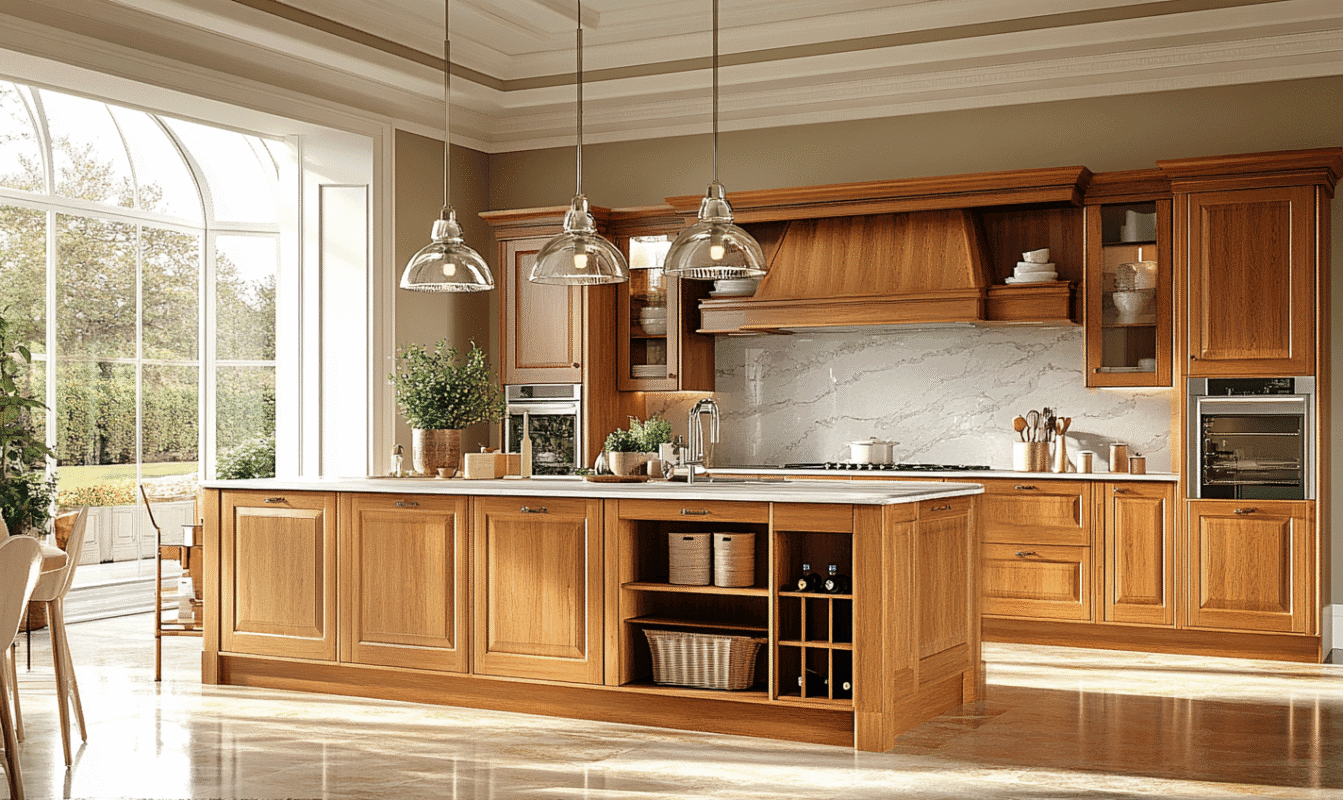
The heart of your home deserves more than conventional solutions. In luxury kitchens, the most compelling designs emerge when classical elegance meets contemporary innovation, creating spaces that honour heritage whilst embracing the future. This synthesis represents the pinnacle of bespoke kitchens, where every element is carefully orchestrated to reflect both timeless principles and modern living requirements.
Understanding the Philosophy Behind Traditional-Modern Fusion
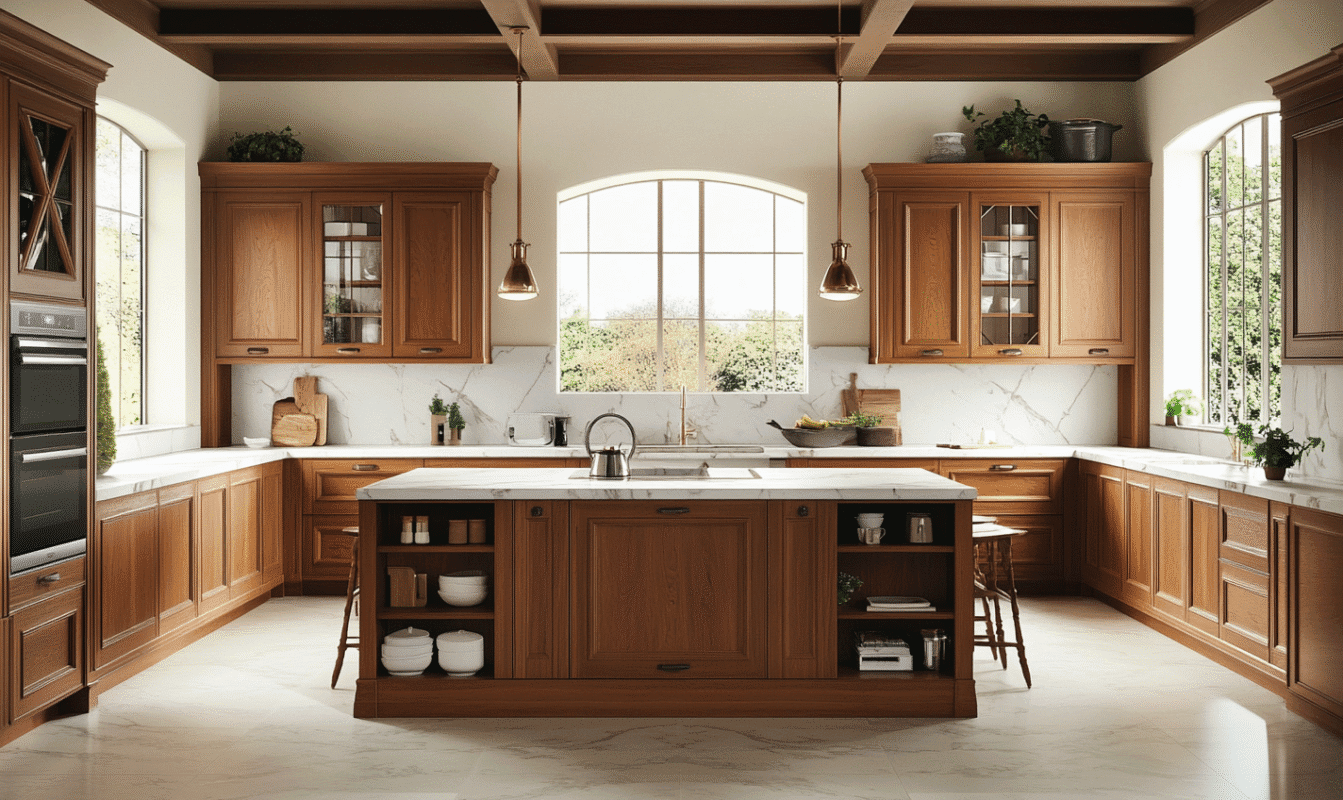
What is a bespoke kitchen in the context of this design philosophy?
It’s an environment where classical proportions provide the foundation for cutting-edge functionality. Think of it as architectural heritage meeting technological advancement, where Shaker-inspired cabinetry conceals induction hobs, or where hand-carved corbels support waterfall stone islands equipped with integrated wireless charging stations.
The beauty of this approach lies in its subtlety.
Rather than creating jarring contrasts, successful fusion design creates a dialogue between eras. Georgian symmetry might frame ultra-modern appliances, whilst traditional joinery techniques craft cabinetry that houses state-of-the-art storage solutions.
In my experience working with bespoke kitchen companies, the most sophisticated projects achieve this balance through careful attention to proportion, material selection, and the judicious use of contemporary elements within classical frameworks.
The result feels both timeless and thoroughly modern, avoiding the trap of appearing dated or trendy.
Key Takeaways: Bespoke kitchens combines traditional design with modern functionality, creating a timeless yet contemporary space that balances heritage and innovation.
The Art of Proportional Harmony
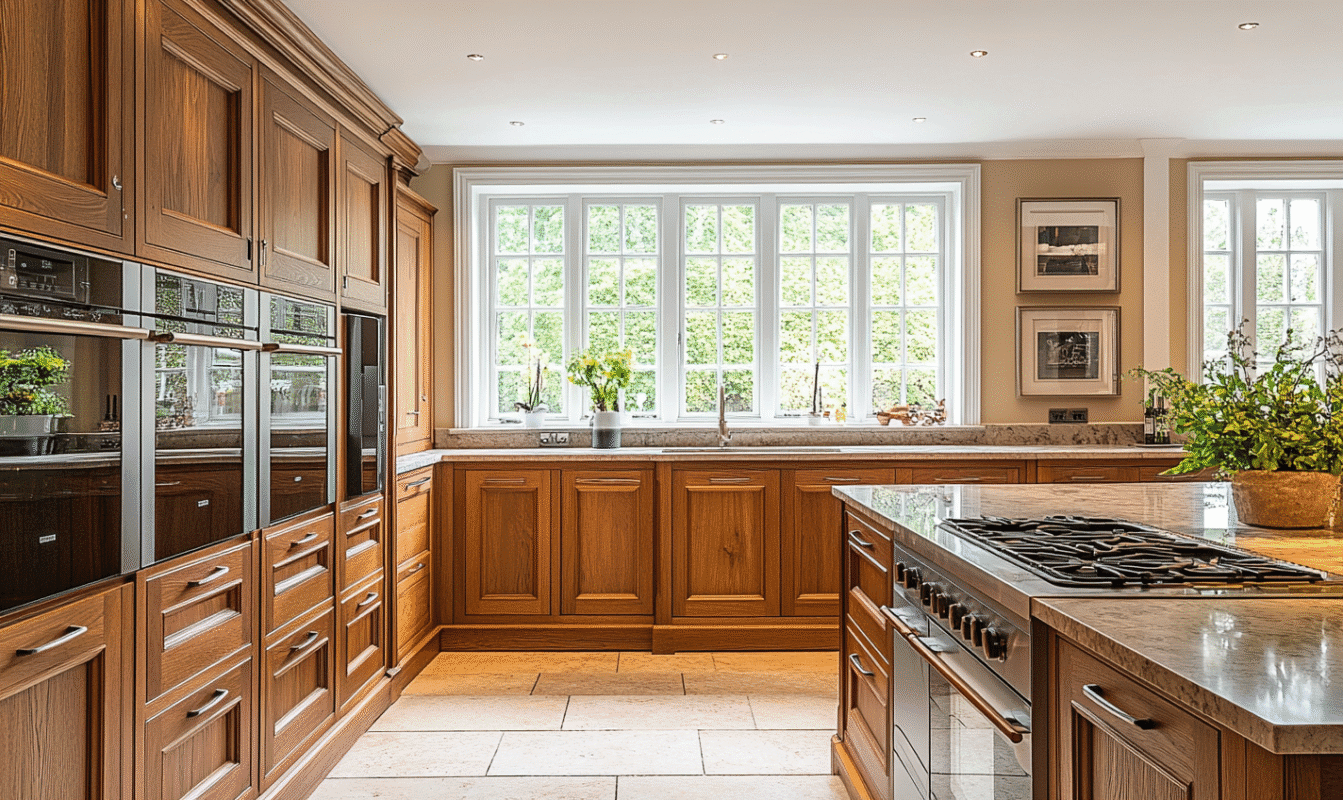
Classical design principles provide an invaluable foundation for contemporary bespoke kitchens. The golden ratio and symmetrical compositions create visual comfort that transcends stylistic preferences. These principles work because they mirror patterns found in nature, creating spaces that feel inherently balanced.
Consider how traditional kitchen proportions can accommodate modern requirements. An island designed with classical proportions provides ample space for contemporary features such as integrated dishwashers, wine storage, and breakfast seating whilst maintaining visual harmony.
This principle allows us to create designer bespoke kitchens that incorporate modern conveniences within frameworks that have pleased the eye for centuries.
Key Takeaways: Classical design principles like the golden ratio provide a balanced foundation for modern kitchens, seamlessly integrating contemporary features while maintaining visual harmony.
Material Selection: Where Heritage Meets Innovation
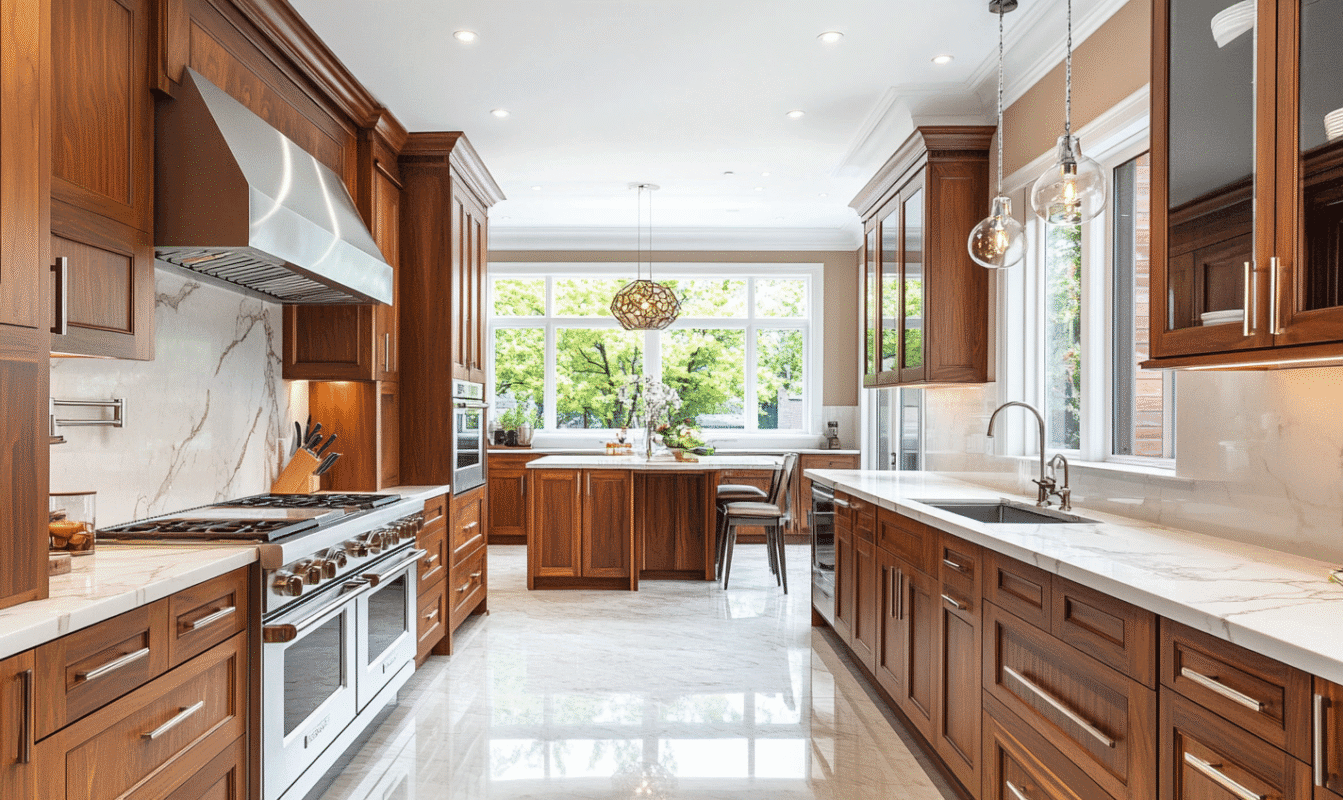
The material palette becomes crucial in achieving a successful fusion of traditional and modern styles. Natural materials provide continuity between eras, whilst contemporary fabrication techniques allow us to utilise them in previously impossible ways.
Consider stone: whilst our ancestors were limited to modest slabs, contemporary quarrying allows for dramatic book-matched marble islands or seamless granite worktops that span entire walls. The material maintains its traditional character whilst being deployed in thoroughly modern applications.
Similarly, timber remains fundamentally unchanged, yet contemporary processing allows for applications that would have been inconceivable decades ago.
Hand-crafted bespoke kitchen cabinets can now incorporate soft-close mechanisms and precision-engineered storage solutions whilst maintaining the visual warmth of traditional joinery.
The sophistication lies in selecting materials that bridge eras naturally. Aged brass hardware provides traditional warmth whilst incorporating modern functionality. Natural stone offers timeless beauty with contemporary performance characteristics.
Key Takeaways: Successful fusion design combines traditional materials like stone and timber with modern fabrication techniques, preserving heritage while enhancing functionality. Aged brass hardware and natural stone offer timeless beauty and contemporary performance.
Functional Innovation Within Classical Frameworks
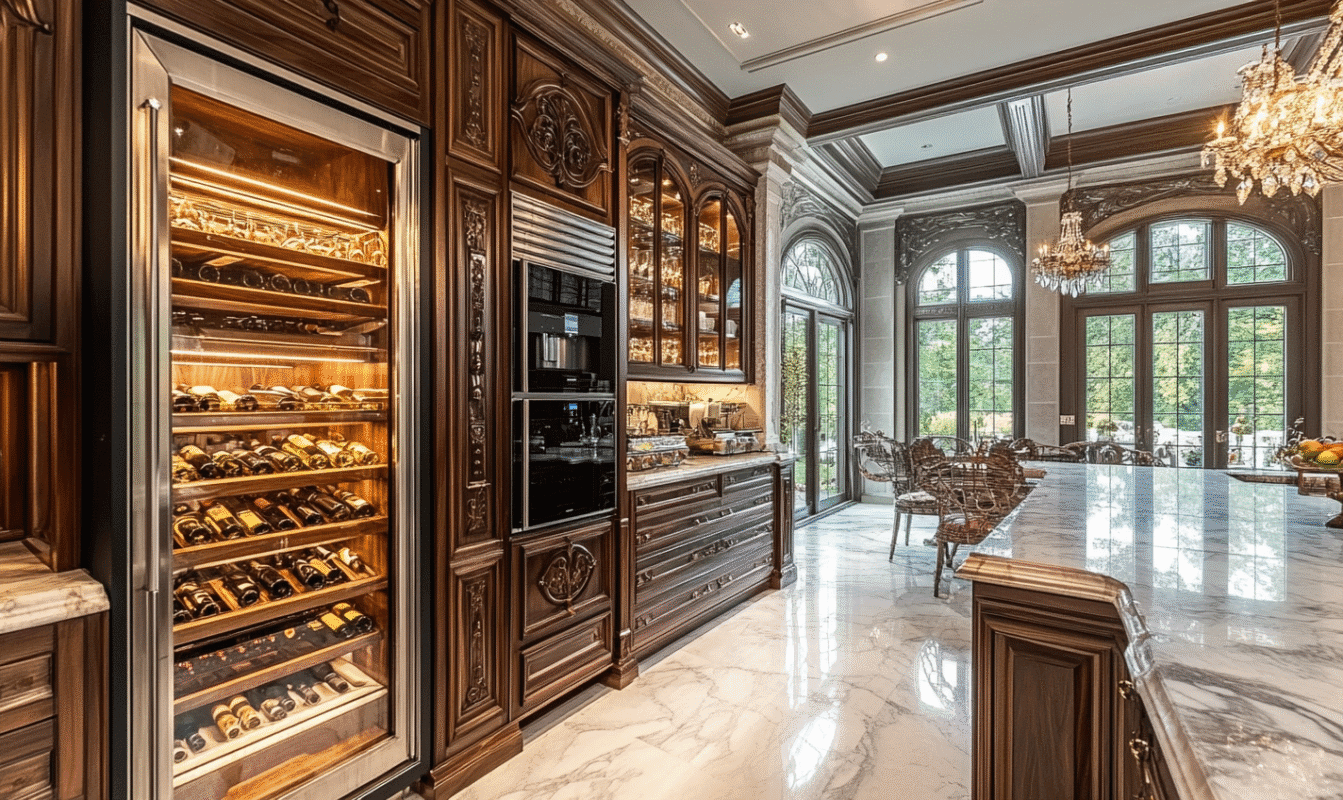
Modern living demands functionality that extends far beyond traditional kitchen requirements. Today’s luxury kitchens must accommodate everything from elaborate entertaining to casual family meals, from serious cooking to coffee culture, from wine storage to charging stations for multiple devices.
The challenge lies in integrating these requirements seamlessly within traditional design vocabularies. A classical larder cabinet might conceal a temperature-controlled wine refrigerator. Traditional plate racks can incorporate LED lighting and adjustable shelving. Seemingly period-appropriate furniture can house the most advanced appliances available.
I’ve found that clients appreciate when modern conveniences feel integral rather than added.
The most successful designs for bespoke kitchens anticipate contemporary needs whilst maintaining visual cohesion with traditional elements. This might mean creating charging stations within traditional secretary-style cabinetry, or incorporating induction hobs within island designs that reference classical furniture forms.
Key Takeaways: Successful luxury kitchens integrate modern functions, like wine storage and charging stations, within traditional designs, maintaining visual cohesion. Modern conveniences should feel integral, blending seamlessly with classical elements like period furniture and cabinetry.
The Technology Integration Challenge
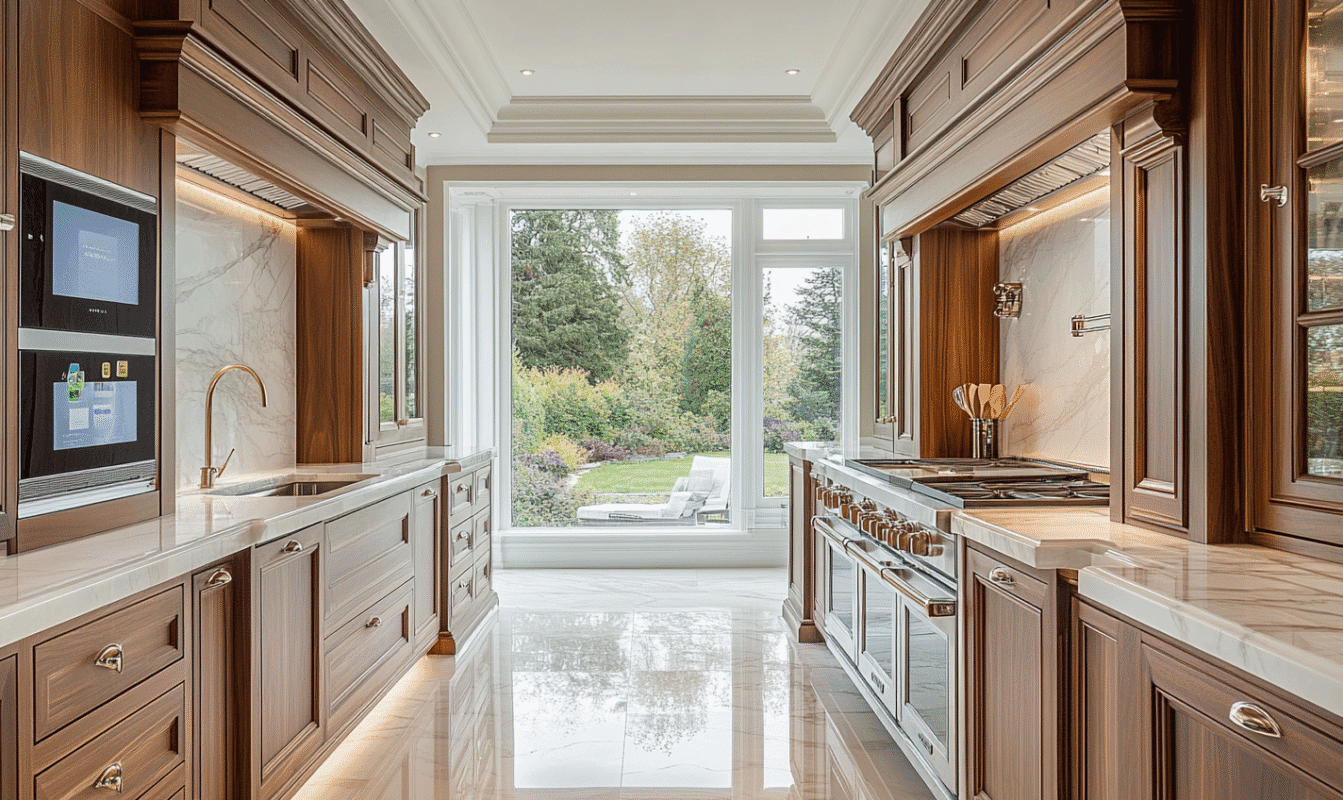
One of the most delicate aspects of traditional-modern fusion involves technology integration. Modern kitchens require substantial technological infrastructure, from powerful ventilation systems to sophisticated lighting controls, from integrated sound systems to smart appliance connectivity.
The art lies in making technology invisible whilst maximising its benefits. Traditional-style cabinetry can conceal touch screens for home automation. Classical moulding profiles can incorporate LED strip lighting. Seemingly traditional hardware can include biometric access or soft-close mechanisms.
The goal isn’t to hide technology entirely but to integrate it so seamlessly that it feels natural within the traditional framework.
Key Takeaways: Technology in traditional-modern fusion kitchens should be seamlessly integrated, enhancing functionality without disrupting aesthetic harmony. Concealing modern tech, like touch screens and LED lighting, within traditional cabinetry ensures both sophistication and practicality.
Colour Palettes That Bridge Eras
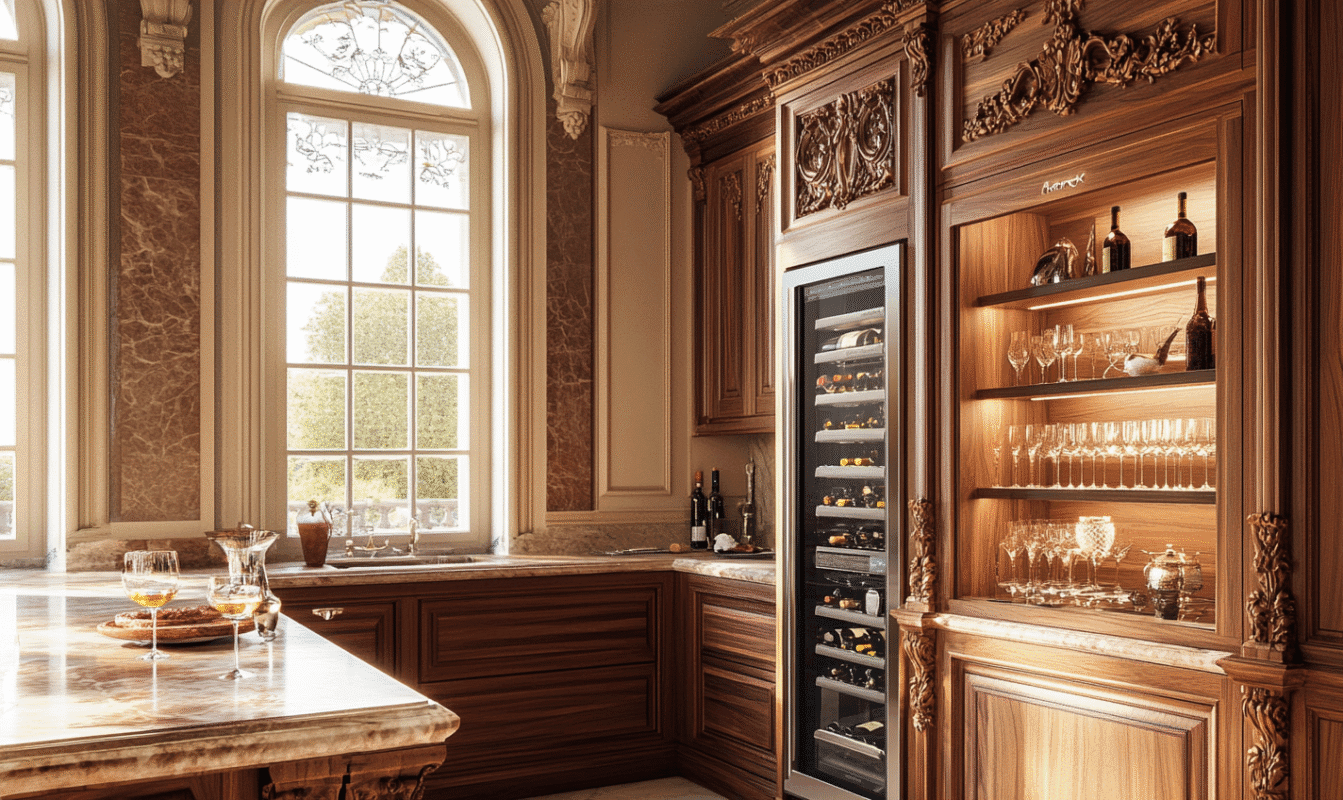
Successful colour selection requires understanding both traditional and contemporary sensibilities. Classical palettes featured deeper, richer tones derived from natural pigments, whilst contemporary design often favours lighter, more neutral schemes.
The most successful fusion designs employ traditional colours in contemporary applications, or contemporary colours within traditional frameworks. Soft grey inspired by Georgian paint colours might be applied to sleek, handle-less cabinetry. Rich navy blues reminiscent of period chinoiserie might frame ultramodern appliances.
Key Takeaways: Successful colour selection in fusion kitchens combines traditional colours with contemporary applications, creating visual harmony. For example, soft greys can modernize traditional cabinetry, while rich navy blues can frame modern appliances, bridging both design worlds.
Hardware and Details: The Devil’s in the Design
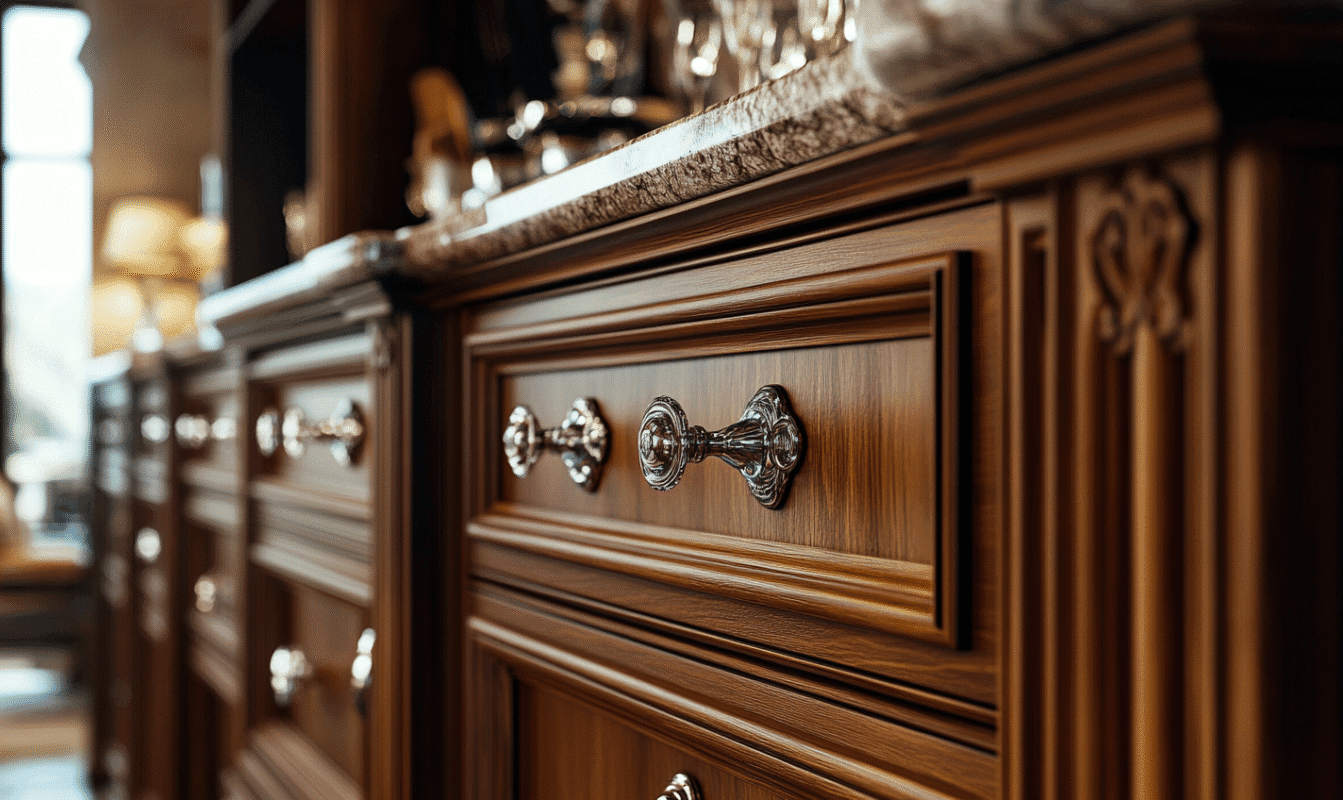
Hardware selection represents one of the most critical decisions in traditional-modern fusion. These small elements significantly impact the overall perception of the space, bridging stylistic differences or creating unwanted contrasts.
Contemporary manufacturing techniques allow for hardware that appears traditional whilst incorporating modern functionality. Soft-close mechanisms can be concealed within period-appropriate handle designs. The sophistication lies in selecting pieces that feel authentic to both eras whilst maintaining contemporary performance.
Lighting: Illuminating the Balance
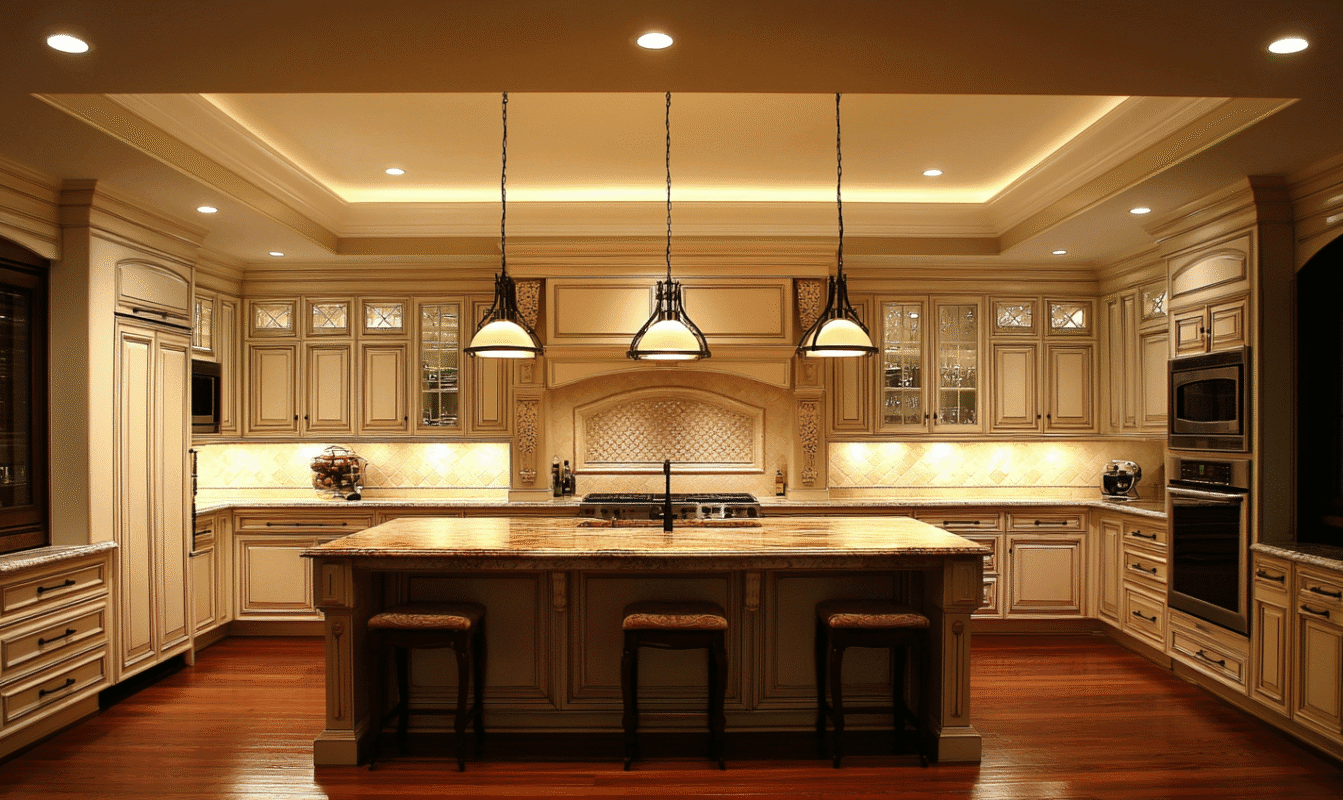
Lighting design becomes particularly crucial in traditional-modern fusion kitchens. Traditional kitchens relied primarily on natural light supplemented by candles, creating warm, intimate atmospheres. Contemporary kitchens require task lighting, ambient lighting, and accent lighting to support various activities.
The challenge lies in providing contemporary lighting performance whilst maintaining traditional aesthetic principles. This might mean incorporating LED strips within traditional crown moulding, or selecting contemporary fixtures that reference historical forms whilst providing superior illumination.
Successful lighting design layers multiple sources to create flexible environments whilst maintaining the visual warmth associated with traditional spaces.
Key Takeaways: Choose hardware that blends traditional design with modern functionality, like soft-close mechanisms in period handles. Use layered lighting to combine contemporary performance with traditional aesthetics, such as LED strips in classic moulding.
Investment Considerations and Long-term Value
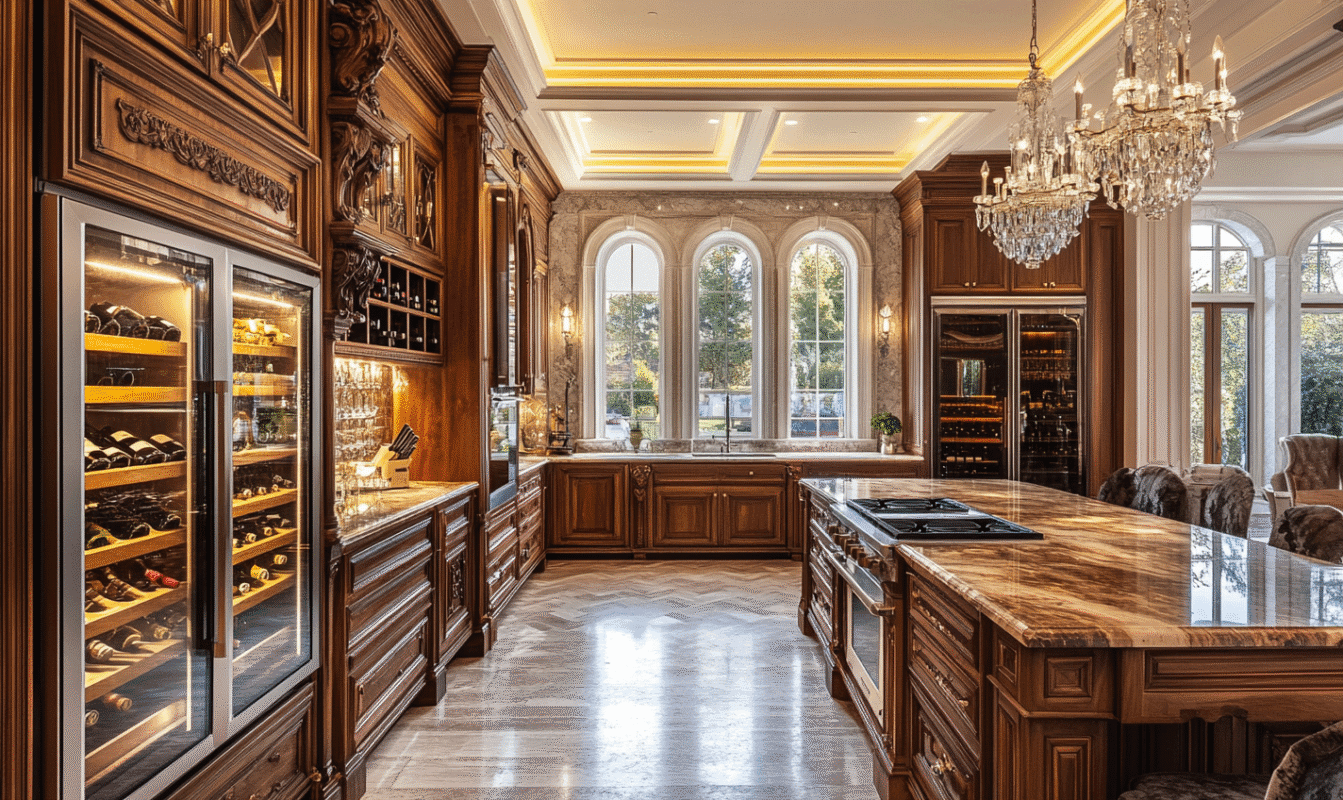
When contemplating how much does a bespoke kitchens cost, it’s essential to consider the long-term value proposition. Traditional-modern fusion designs tend to have exceptional longevity because they avoid the extremes of either purely traditional or aggressively contemporary approaches.
The investment in quality materials and craftsmanship pays dividends over time. Well-designed fusion kitchens age gracefully because their traditional elements provide stability whilst their modern components can be updated as technology evolves.
Working with an experienced designer for bespoke kitchens ensures that your investment is optimised for both immediate satisfaction and long-term value, creating cohesive environments that enhance both daily living and property value.
Key Takeaways: Bespoke kitchens offer long-term value by balancing traditional and modern elements, allowing for future updates. Investing in quality materials and expert design ensures both immediate satisfaction and lasting appeal, enhancing daily living and property value.
The Path Forward: Creating Your Perfect Balance
The most successful traditional-modern fusion designs emerge from understanding your personal relationship with both heritage and innovation. The process begins with honest conversation about how you actually live in your kitchen.
Do you entertain formally or casually?
Are you serious cooks or casual users?
Do you value traditional craftsmanship or cutting-edge convenience?
Understanding these preferences guides the balance between traditional and modern elements. Your kitchen should reflect your personal synthesis of past and present, creating an environment that feels both comfortable and inspiring whilst honouring the wisdom of traditional design and embracing contemporary innovation.
The right balance creates harmony between seemingly disparate elements, resulting in a kitchen that feels both timeless and thoroughly contemporary. This careful synthesis represents the essence of sophisticated design: creating environments that enhance daily life whilst providing enduring visual pleasure.
FAQs
What is traditional-modern fusion in kitchen design?
It’s a design philosophy that blends classical elements with modern functionality, creating a timeless yet contemporary kitchen that balances heritage and innovation.
How do you integrate modern technology into a traditional kitchen?
Modern technology is seamlessly incorporated into traditional designs, such as hiding smart features behind classic cabinetry and using contemporary materials without disrupting the aesthetic.
Why is material selection important in a fusion kitchen?
Choosing materials like natural stone, timber, and aged brass bridges traditional and modern styles, offering both timeless appeal and functional innovation.
What is the investment value of a bespoke kitchen?
Bespoke fusion kitchens combine durability and adaptability, ensuring long-term value by balancing traditional aesthetics with modern advancements that evolve with technology.