

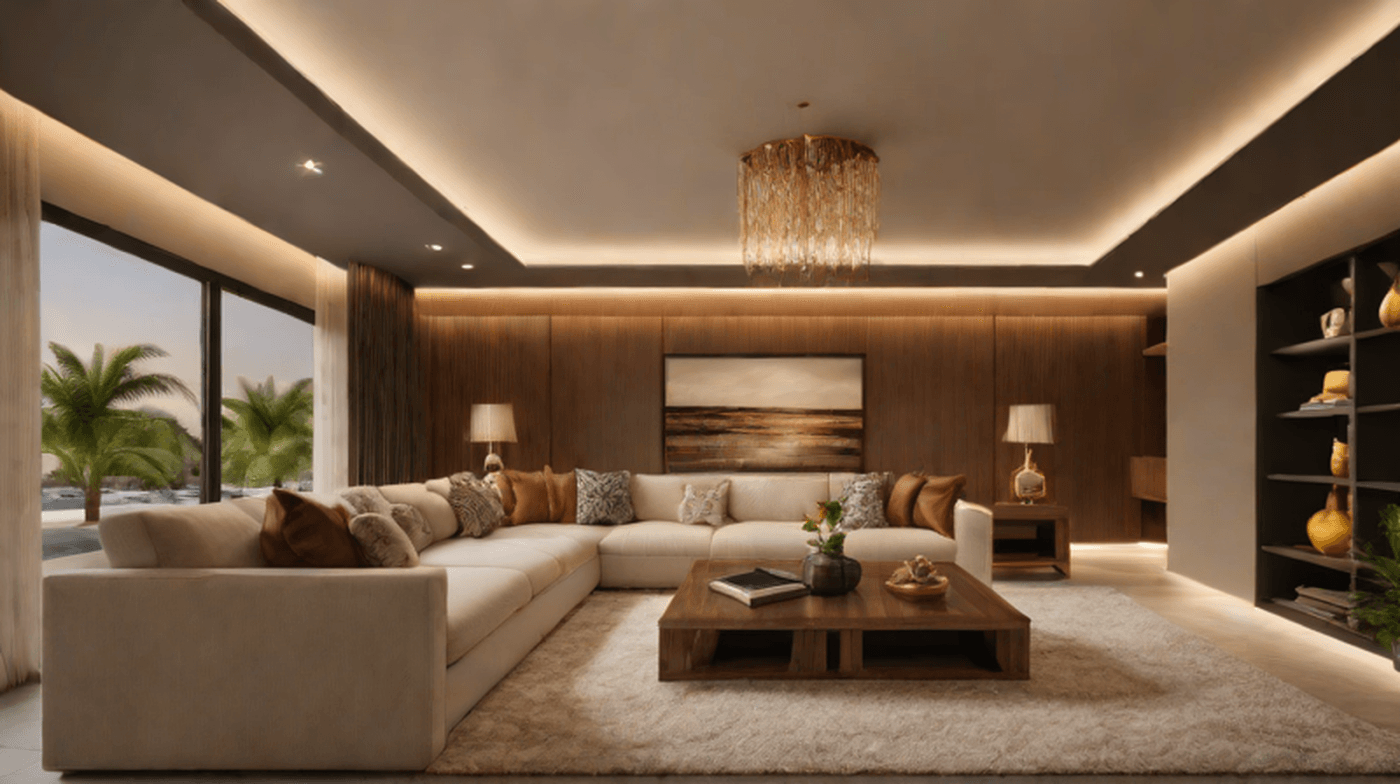
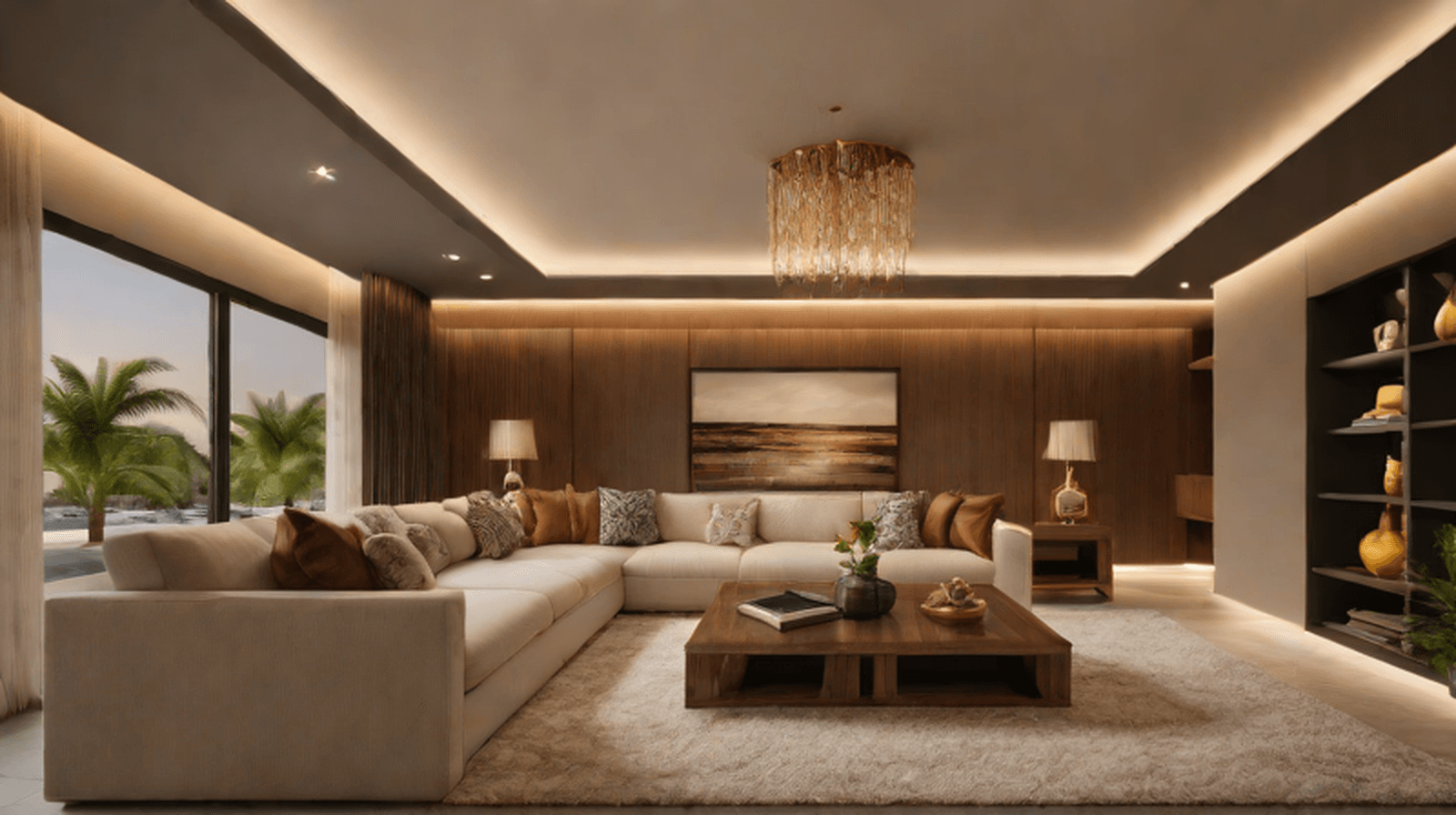
Luxury Media Room Furniture for Dubai Villas: Sofas, Storage and Screen Walls
A media room should not feel like a television was simply given a larger ego.
In a Dubai villa, the media room often has to work hard. It may be a family cinema, a gaming space, a relaxed evening lounge, a place for sport, a quiet retreat or the room everyone disappears into after dinner. The furniture has to support all of that without turning the space into a dark box full of oversized seats.
Good media room furniture balances comfort, screen viewing, storage, lighting and room flow. It should feel polished enough for the villa and comfortable enough for real use.
Start with how the room is used
Before choosing sofas or cabinets, decide what the media room needs to do.
A family TV room needs different furniture from a dedicated cinema room. A gaming and entertainment room may need more flexible seating and storage. A room used for sport nights may need side tables, drinks storage and easy circulation. A quieter evening lounge may need softer seating, layered lighting and a more residential feel.
Useful questions include:
* How many people usually use the room?
* Is it mainly for films, sport, gaming or family television?
* Does the room need closed storage?
* Will food and drinks be used there often?
* Is the screen wall the main feature?
* Does the room need to connect visually with the rest of the villa?
The furniture should answer the real use, not just the photograph.
Seating comfort matters more than drama
Media room seating can easily become too theatrical.
Deep sofas, modular sectionals, recliners and lounge chairs can all work, but the best choice depends on seat depth, back support, viewing angle, room size and how people actually sit. A sofa that looks dramatic but makes everyone crane their neck is not luxury. It is a design mistake with cushions.
For Dubai villas, a generous sectional can suit family use. Paired sofas can suit a more formal media lounge. Recliners may work in a dedicated cinema setting, but they need enough space and the right finish so the room still feels refined.
Plan the screen wall as furniture, not just technology
The screen wall is usually the strongest visual point in the room.
A good media wall can combine the screen, storage, acoustic panels, display shelving, low cabinets and concealed cable routes. It should feel designed, not assembled from urgent decisions made after the television arrived.
Closed storage is useful for remotes, consoles, controllers, speakers, chargers, blankets and the collection of cables nobody admits to owning. Open shelving can add warmth with books, objects or soft lighting, but it should stay edited.
Viewing distance and layout decide the furniture scale
Furniture scale should follow the room dimensions and screen position.
If the sofa is too close, the room feels uncomfortable. If it is too far away, the screen loses impact. If the seating is too wide for the viewing zone, some seats become poor choices. A strong layout considers screen size, eye line, speaker position, doorways, windows and circulation.
Coffee tables and side tables also need careful placement. People should be able to put down a drink without blocking movement or creating furniture obstacles in a dark room.
Lighting should support the mood without glare
Media rooms need controlled lighting.
Wall lights, low level lamps, integrated shelf lighting, ceiling coves and dimmable circuits can help the room shift from family use to film time. Avoid bright light directly opposite the screen. Avoid reflective surfaces that create glare. Avoid making the room so dark that finding the remote becomes a minor archaeological project.
The best lighting feels soft, warm and adjustable.
Materials should absorb, soften and last
Material choice affects both comfort and atmosphere.
Soft upholstery, textured rugs, timber, acoustic friendly wall finishes and warmer tones can stop the room feeling hard or echoey. Leather can work when balanced with softer textures. Performance fabrics may be practical for family rooms. Low sheen finishes usually work better than highly reflective surfaces near screens.
Dubai villas often have strong architectural finishes, marble, glass and polished surfaces. A media room may need furniture that softens the space so it feels comfortable for longer use.
Storage keeps the room calm
Media rooms collect things quickly.
Controllers, chargers, gaming equipment, blankets, speakers, headphones, books, board games and snacks all need somewhere to go. Without planned storage, the room becomes cluttered even when the furniture is expensive.
A strong plan might include low cabinets below the screen, side storage, concealed drawers, display shelving and a nearby drinks or snack area if the villa layout allows. The goal is to keep the room useful without letting the practical items take over visually.
Connect the media room to the rest of the villa
A media room can have its own mood, but it should not feel like a completely different property.
Use materials, tones or details that connect with the wider interior: timber finishes, metal accents, rug texture, wall colour, curtain weight or cabinet style. The room can be darker and more relaxed than the formal living area, but it should still feel part of the same home.
That connection is what separates a polished media room from a spare room with a screen and ambition.
How FCI London UAE can help
FCI London UAE supports homeowners planning furniture for Dubai and UAE villas through consultation led choices, not physical showroom claims.
That matters for media rooms because the right furniture depends on room size, screen position, seating habits, storage needs, lighting, materials and the relationship between the media room and the rest of the villa. A well planned media room can feel relaxed, private and refined without becoming a novelty cinema.
Technology may be the obvious part. Furniture is what makes the room liveable.