

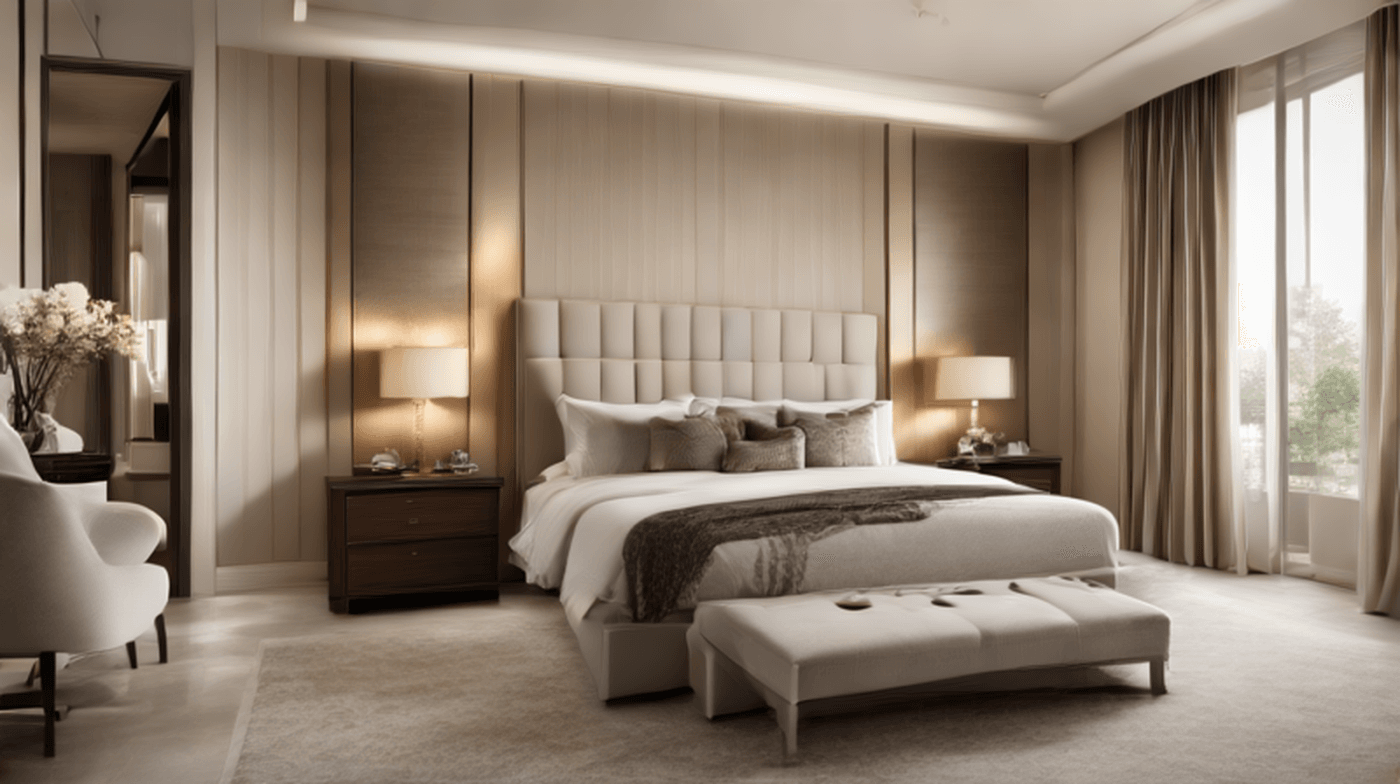
In a Dubai villa, the rug is not just decoration. It is the piece that makes the furniture arrangement make sense.
A good rug can define a majlis seating area, soften a marble floor, bring warmth to a formal living room, make a bedroom feel calmer and give a dining room a proper centre. A badly sized rug can do the opposite with impressive speed. Nothing undermines a beautiful sofa group quite like a rug that looks as if it has wandered in from a smaller apartment.
Luxury rugs matter because they control scale, texture, sound, movement and room balance. For Dubai villas, where rooms are often generous and surfaces are often polished, that control is not optional.
Here is how to choose luxury rugs for Dubai villas without making the floor do all the suffering.
Start with the furniture plan
The rug should follow the room plan, not the other way round.
Before choosing pattern, colour or material, decide how the furniture needs to sit. In a formal living room, the rug should usually connect the main sofa, armchairs, coffee table and side tables as one complete seating group. In a majlis, the rug should support conversation flow and make the seating feel deliberate rather than scattered around the edges.
In a dining room, the rug must work with the table and chairs. In a bedroom, it should support the bed and make the room feel grounded.
The first question is not which rug looks best on its own. The first question is which rug makes the whole room work.
Scale is where most mistakes happen
Dubai villas often have large living spaces, high ceilings and open transitions between rooms. That gives you design opportunity, but it also makes undersized rugs very obvious.
A small rug in a large room makes the seating feel disconnected. It can also make expensive furniture look like separate pieces rather than a finished interior.
For living rooms, the front legs of the main seating pieces should usually sit on the rug. In larger rooms, placing the full seating group on the rug often gives a more complete and formal result.
For dining rooms, the rug should extend far enough beyond the table for chairs to move back while staying on the rug. This avoids chair legs catching at the edge and keeps the room visually calm.
For bedrooms, the rug should give a generous visible border around the bed. A rug that disappears under the bed with only a shy corner showing is not doing enough work.
Texture matters in Dubai interiors
Many Dubai interiors use marble, stone, porcelain, glass, metal, polished timber and large windows. These finishes can look exceptional, but they can also make a room feel hard if texture is not managed.
A rug adds softness and acoustic comfort. It also creates contrast against polished surfaces. This is especially useful in formal rooms where the design needs to feel refined rather than echoey.
Material choice matters. Wool can bring warmth, density and durability. Silk or silk blend detailing can add a subtle sheen, but it needs thoughtful placement and realistic maintenance expectations. Flatweave and lower pile options can work where chairs need to move easily or where the space has heavier use.
A rug should feel good underfoot, but it should also survive the room it lives in.
Use rugs to zone open spaces
Open plan villa interiors need structure. Without it, the room can look impressive but vague.
A rug can define the main lounge area, separate a dining zone, support a reading corner or create a transition between indoor and outdoor entertaining spaces. The rug gives the eye a boundary without needing a wall.
For large rooms, one oversized rug may work. In other spaces, two coordinated rugs can define separate zones while still belonging to the same design language. The key is coordination, not identical matching.
If one area is formal and another is relaxed, the rugs can reflect that difference through texture and pattern while still sharing colour discipline.
Majlis spaces need flow, not clutter
Majlis design often depends on conversation, hospitality and comfort. The rug should support that social function.
A strong majlis rug can anchor the seating, help define the central table area and add warmth to a large space. It should not obstruct movement or compete with every other decorative element in the room.
If the seating is arranged around the perimeter, the rug needs enough presence to hold the centre. If the arrangement is more contemporary, with sofas and armchairs grouped around a central table, the rug should connect those pieces clearly.
The goal is balance. The room should feel generous, not busy.
Pattern should have a job
Pattern can add depth, hide everyday marks and bring character to a room. But pattern needs a role.
If the room already has detailed wall finishes, strong marble veining, statement lighting or decorative furniture, a quieter rug may be better. It gives the room texture without adding visual noise.
If the furniture is restrained, a more expressive rug can lift the room. Geometric, abstract or softly traditional patterns can all work in Dubai villas when the palette is controlled.
The trick is to decide what should lead. If the rug is the feature, the surrounding elements need restraint. If the lighting, art or furniture is already dominant, the rug should support the scheme.
Luxury is not everyone speaking at once.
Think about light and colour
Dubai homes often have strong natural light. That affects how rug colours behave.
Very pale rugs can look elegant, but they need a realistic maintenance conversation. Dark rugs can add drama, but in a hot climate and bright room they may feel visually heavy if the rest of the palette is already deep.
Warm neutrals, sand tones, taupe, ivory, soft grey, bronze and muted pattern can work well because they add depth without overpowering the space. Richer colours can be excellent in formal rooms, but they should connect to art, cushions, wall tones or furniture finishes.
A rug should not feel imported from a different design argument.
Living room rugs
For a living room, the rug should bring the seating into one controlled group.
It can:
- Anchor sofas and armchairs.
- Soften stone or marble flooring.
- Define the main conversation area.
- Add texture under a coffee table.
- Create a better link between curtains, lighting, side tables and TV wall units.
If the room has a strong view, the rug should support the orientation of the seating. If the room is used for formal hosting, it should feel generous and composed. If the room is used daily, comfort and maintenance become more important.
Dining room rugs
Dining rugs need enough size and the right pile.
A rug that is too thick can make chairs awkward to move. A rug that is too small can make the room feel badly planned. A rug that is too delicate may not suit frequent entertaining.
The best dining rugs create a clear centre for the table, support chair movement and add texture without making the dining experience fussy.
Pattern can help in dining rooms because it gives the surface depth and makes minor signs of use less obvious. The design still needs to sit comfortably with the table finish, chair upholstery and lighting.
Bedroom rugs
Bedrooms need softness and calm.
A large rug under the bed can make the room feel more finished. It should extend enough on both sides to give a comfortable landing and enough at the foot to look intentional.
If a full rug is not suitable, coordinated runners can still work. They should be chosen as part of the room design, not as an afterthought.
In bedrooms, texture often matters more than drama. The rug should help the room feel settled.
When to involve FCI London UAE
Rug selection looks simple until it has to work with sofa depth, table size, curtain fabric, wall finishes, lighting temperature, delivery constraints and the way the room is actually used.
FCI London UAE can support rug selection as part of a wider furniture and interior design process for Dubai and UAE projects. That matters when a villa needs more than one piece. The rug should work with the entire scheme, from seating and dining to lighting, storage and accessories.
For a focused upgrade, the right rug can change the room quickly. For a full project, it should be planned early so scale, texture and procurement are aligned.
Either way, the floor deserves more than a last minute decision.
Get in touch
Want to get in touch? We'd love to hear from you. Email us at [email protected]
Sign Up for Newsletter